


What's Happening?
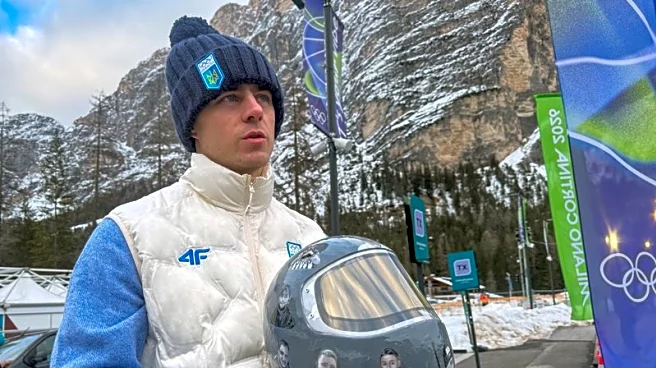
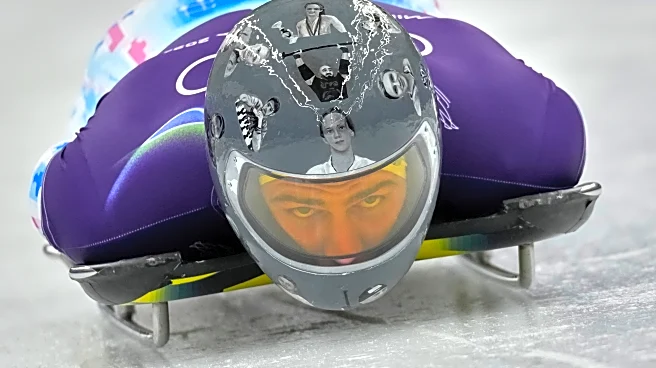
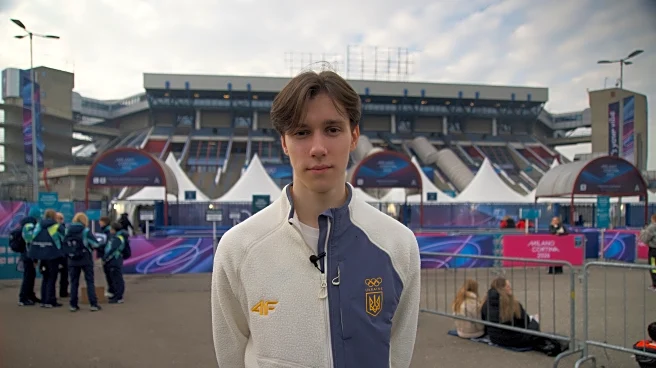
Ukrainian skeleton athlete Vladyslav Heraskevych has been granted permission by the International Olympic Committee (IOC) to wear a black armband during the Milan Cortina Games. However, the IOC has prohibited him from wearing a helmet that features images of Ukrainian athletes who have died in the ongoing conflict with Russia. The IOC's decision is based on Rule 50 of the Olympic Charter, which prohibits political statements at Olympic venues. Heraskevych, who is a medal hopeful, expressed his disappointment, stating that the helmet was meant to honor athletes who were part of the Olympic family. Despite the ban, Heraskevych wore the helmet during a training run, indicating that Ukraine might appeal the decision.
Why It's Important?
The IOC's decision highlights
the ongoing tension between sports and politics, especially in the context of the Russia-Ukraine conflict. By allowing the armband but banning the helmet, the IOC attempts to balance the athlete's personal expression with the Olympic Charter's rules. This decision could impact how athletes express political or social messages in future events. The situation also underscores the broader geopolitical tensions affecting international sports, as athletes from Russia and Belarus face restrictions due to the conflict. The IOC's stance may influence how other sports organizations handle similar issues, potentially affecting athletes' freedom of expression.
What's Next?
Heraskevych is expected to continue his participation in the Games, with more training runs scheduled. The Ukrainian Olympic Committee may pursue an official appeal regarding the helmet ban. The outcome of such an appeal could set a precedent for future cases involving political expressions by athletes. Additionally, the IOC's handling of this situation may prompt discussions among international sports bodies about the role of political statements in sports. Stakeholders, including athletes, national Olympic committees, and human rights organizations, may weigh in on the implications of the IOC's decision.