



What's Happening?
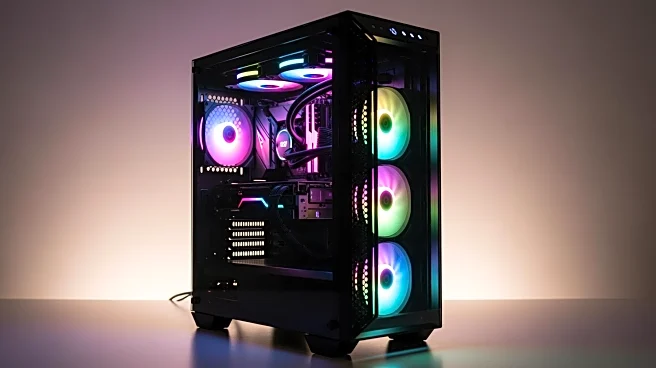
Intel has introduced its new Core Ultra 200S Plus lineup, which is now being integrated into prebuilt systems from manufacturers such as iBUYPOWER and MAINGEAR. This release aims to address previous issues with the Arrow Lake series while enhancing performance.
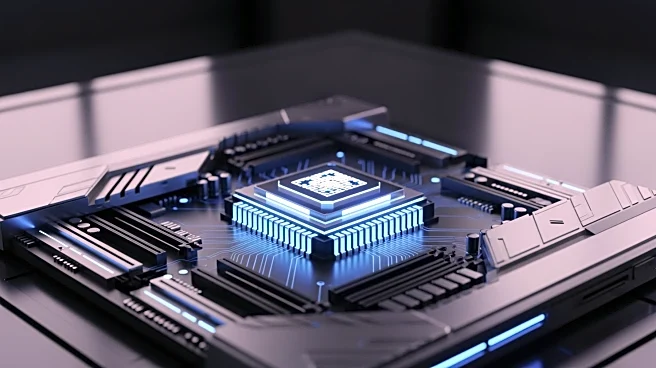
The lineup includes the Intel Core Ultra 5 250K Plus and Core Ultra 7 270K Plus, both utilizing a hybrid design that combines performance cores with a larger number of efficiency cores. The 270K Plus features 24 cores, while the 250K Plus has 18 cores. Notably, Intel has increased die-to-die interconnect speeds by up to 900 MHz to reduce latency, and memory support has been upgraded to DDR5-7200, with potential overclocking up to 8000 MT/s. A new Binary Optimization Tool is also included to boost performance in games not originally designed for these CPUs. Intel claims these improvements result in up to 15% better gaming performance and enhanced multi-threaded workloads.
Why It's Important?
The introduction of the Core Ultra 200S Plus lineup is significant for the PC gaming and enthusiast community, as it addresses previous performance limitations and offers substantial improvements. By maintaining compatibility with existing LGA1851/Z890 motherboards, Intel allows users to upgrade without needing to replace their entire system, making it a cost-effective option for enthusiasts. The enhancements in gaming performance and multi-threaded processing are likely to attract gamers and professionals who require high-performance computing. This move also positions Intel competitively against other chip manufacturers, potentially influencing market dynamics and consumer choices in the high-performance PC segment.
What's Next?
As the Core Ultra 200S Plus chips become more widely available in prebuilt systems, it is expected that more manufacturers will adopt these processors, expanding their presence in the market. The performance improvements may lead to increased demand from gamers and professionals seeking to upgrade their systems. Additionally, Intel's continued focus on enhancing performance and addressing previous issues suggests that future iterations of their processors may offer even greater advancements, further solidifying their position in the competitive CPU market.