






What's Happening?
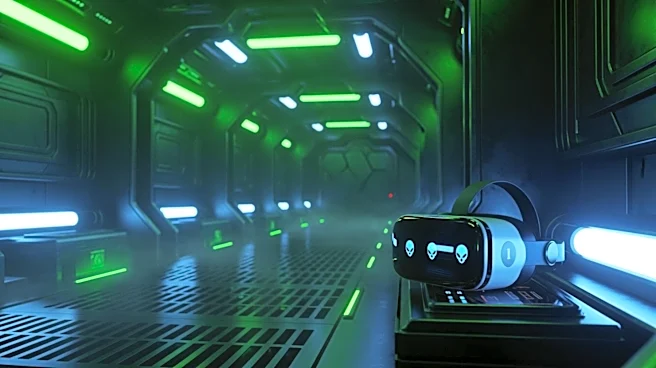
Star Trek: Infection is a new survival horror game set in the Star Trek universe, available on Meta Quest 3 and PC VR. Developed by Played With Fire Sp. z o.o, the game was released on March 31, 2026, and is priced at $29.99. The game places players in the role
of a Vulcan Starfleet engineer aboard a space station, who becomes embroiled in a mystery involving a Cardassian fugitive and a mysterious infection. The infection transforms the ship's crew into monsters, and players must navigate the ship, solve puzzles, and avoid or combat these threats. The game combines elements of stealth, survival horror, and Metroidvania genres, offering a unique experience that leverages the immersive capabilities of virtual reality.
Why It's Important?
The release of Star Trek: Infection marks a significant development in the gaming industry, particularly in the realm of virtual reality. By integrating the beloved Star Trek franchise with the horror genre, the game appeals to both sci-fi enthusiasts and horror fans, potentially expanding the audience for VR gaming. The game's focus on psychological tension and environmental storytelling highlights the potential of VR to create deeply immersive experiences that traditional gaming platforms may struggle to replicate. This could influence future game development, encouraging more studios to explore VR as a medium for storytelling and gameplay innovation.
What's Next?
As Star Trek: Infection gains traction among players, it may prompt further exploration of the horror genre within the Star Trek universe, potentially leading to sequels or expansions. The game's success could also inspire other developers to create similar VR experiences, blending popular franchises with new genres. Additionally, the game's performance and reception will likely be closely monitored by the VR gaming community, influencing future updates and patches to enhance gameplay and address any technical issues.
Beyond the Headlines
The game's narrative, which involves themes of identity, transformation, and survival, may resonate with players on a deeper level, prompting discussions about the ethical and philosophical implications of such scenarios. The use of VR to explore these themes could lead to broader conversations about the role of technology in storytelling and its impact on player engagement and empathy. Furthermore, the game's depiction of isolation and psychological horror may offer insights into the human experience, particularly in the context of space exploration and the unknown.