

What's Happening?
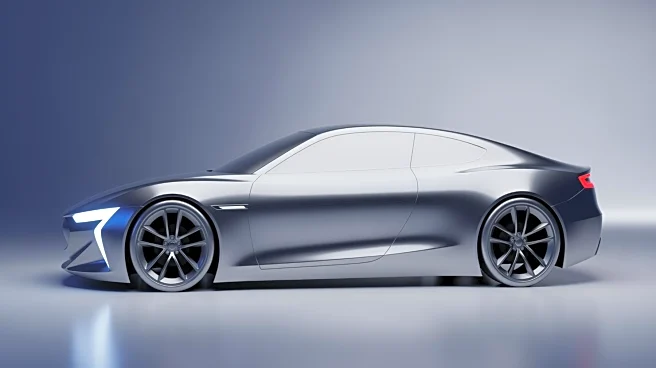
Mazda is reportedly planning to phase out its decade-old small car models, the Mazda2 and CX-3, and replace them with a single new model. According to dealer documents from Japan, production of the CX-3 will end in March 2026, while the Mazda2 will continue until June 2026. This move is part of Mazda's strategy to streamline its entry-level lineup, rather than launching separate replacements for each model. The new model, hinted at by the Vision X-Compact concept shown at the Japan Mobility Show, is expected to combine features of both a hatchback and a crossover, appealing to current market trends. The Vision X-Compact is designed to maintain a compact size while offering the upright look that is popular among buyers today.
Why It's Important?
This development
is significant for Mazda as it reflects a strategic shift in their approach to the small car market. By consolidating two models into one, Mazda aims to optimize its production and marketing efforts, potentially reducing costs and increasing efficiency. This move could also impact the U.S. automotive market, where the demand for compact and crossover vehicles remains strong. For consumers, this could mean access to a more modern, versatile vehicle that meets current design and functionality preferences. Additionally, this strategy may influence other automakers to reconsider their own model lineups in response to changing consumer demands and market conditions.
What's Next?
As Mazda prepares to phase out the Mazda2 and CX-3, the automotive industry will be watching closely to see how the new model is received by the market. The success of the Vision X-Compact could set a precedent for future model consolidations within the industry. Dealers and consumers will likely be eager for official announcements from Mazda regarding the specifications and availability of the new model. Furthermore, Mazda's competitors may respond by adjusting their own strategies to maintain competitiveness in the small car segment.