



What's Happening?
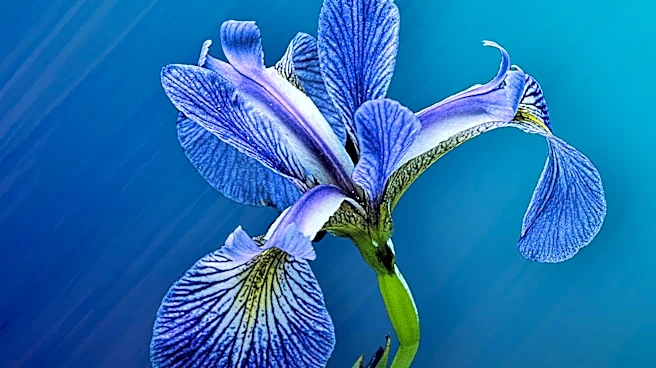
On June 14, nature enthusiasts are set to celebrate Flag Day by participating in hikes to observe the blooming of blue flag irises in wetlands. These native wildflowers, known for their subtle beauty, bloom around Flag Day, offering a natural alternative
to traditional celebrations involving parades and rallies. The blue flag iris, a native species, is characterized by its quiet elegance, contrasting with the more flamboyant garden irises. The flower's structure is designed to facilitate pollination by insects, with its sepals serving as landing pads for bumblebees. This event is inspired by the legacy of Mary Vaux Walcott, an American artist and mountaineer, who captured the beauty of these flowers in her botanical paintings.
Why It's Important?
This celebration highlights the importance of preserving native plant species and their ecosystems. By focusing on the blue flag iris, participants are encouraged to appreciate and protect wetland habitats, which are crucial for biodiversity. The event also serves as a reminder of the interconnectedness of art, science, and nature, as exemplified by Mary Vaux Walcott's work. Such activities promote environmental awareness and foster a deeper connection with nature, encouraging conservation efforts. Additionally, this approach to Flag Day offers a peaceful and reflective alternative to more conventional celebrations, emphasizing the value of natural beauty and ecological balance.
What's Next?
As interest in environmental conservation grows, similar nature-focused events may gain popularity, encouraging more people to engage with and protect their local ecosystems. Organizers of the blue flag iris hikes may expand their efforts to include educational programs about wetland conservation and the role of native plants in maintaining ecological health. This could lead to increased community involvement in conservation projects and a greater emphasis on sustainable practices. Additionally, the legacy of figures like Mary Vaux Walcott may inspire new generations of artists and scientists to explore and document the natural world.
Beyond the Headlines
The celebration of blue flag irises on Flag Day underscores a broader cultural shift towards valuing and preserving natural landscapes. This event reflects a growing recognition of the need to balance human activities with environmental stewardship. By choosing to celebrate in nature, participants are making a statement about the importance of protecting the planet for future generations. This approach also highlights the potential for art and science to collaborate in raising awareness about environmental issues, fostering a culture of appreciation and respect for the natural world.