


What's Happening?
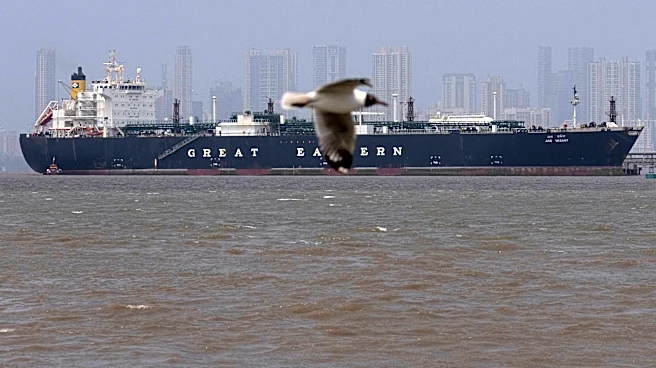
The closure of the Strait of Hormuz is putting significant pressure on the global trade of ammonia and fertilizers, according to Marine News Magazine. The strait is a crucial passage for the export of these products from major producers like Saudi Arabia,
Qatar, and the UAE. The disruption affects 15% of global ammonia and 21% of urea trade, with significant implications for countries reliant on these imports, such as India, South Korea, and the US. The conflict threatens to exacerbate existing strains in the ammonia and fertilizer markets, potentially leading to food shortages and increased production costs.
Why It's Important?
The closure of the Strait of Hormuz could have far-reaching consequences for global food security and agricultural production. Countries heavily dependent on ammonia and urea imports, such as India and South Korea, may face challenges in securing alternative sources, leading to potential food shortages and increased costs. The disruption also highlights the vulnerability of global supply chains to geopolitical tensions and the need for diversified sources of essential agricultural inputs. The situation underscores the importance of energy and food security in global policy discussions.
What's Next?
As the conflict continues, countries may need to explore alternative sources of ammonia and fertilizers, potentially leading to higher production costs and inflation risks. The development of green and electrolytic ammonia could offer a long-term solution, reducing dependency on fossil fuels. However, these alternatives are not yet widely available, and immediate relief is unlikely. Policymakers and industry stakeholders will need to address the challenges posed by the disruption and consider strategies to enhance supply chain resilience.
Beyond the Headlines
The current crisis highlights the interconnectedness of energy and food security and the potential for geopolitical tensions to disrupt global supply chains. The situation may accelerate the development and adoption of sustainable agricultural practices and alternative fertilizers. It also raises questions about the long-term sustainability of current agricultural systems and the need for innovation in food production and distribution. The crisis could prompt a reevaluation of global trade policies and the role of strategic reserves in ensuring food security.