



What's Happening?
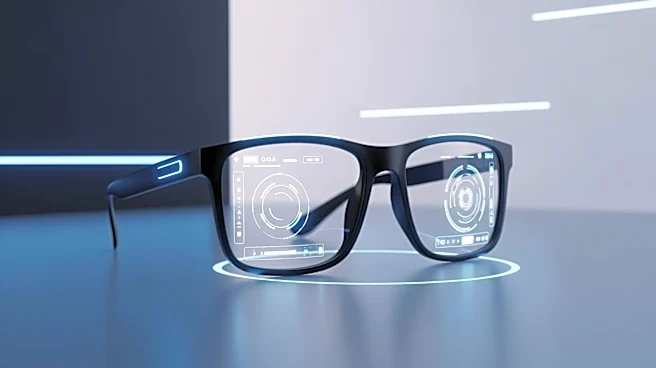
In 2026, major technology and eyewear companies are preparing to launch a new wave of smart glasses, with significant developments in design, pricing, and functionality. Apple is reportedly testing four different smart-glasses designs, emphasizing style
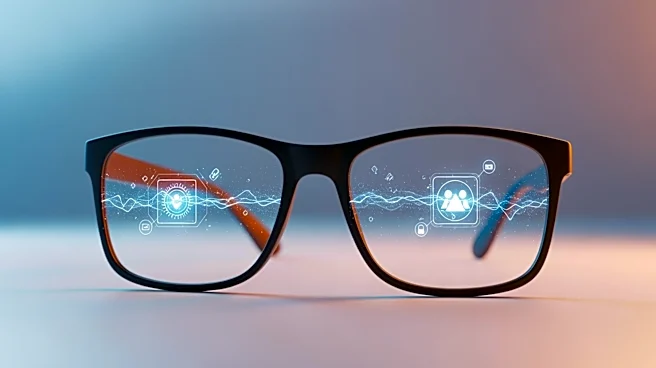
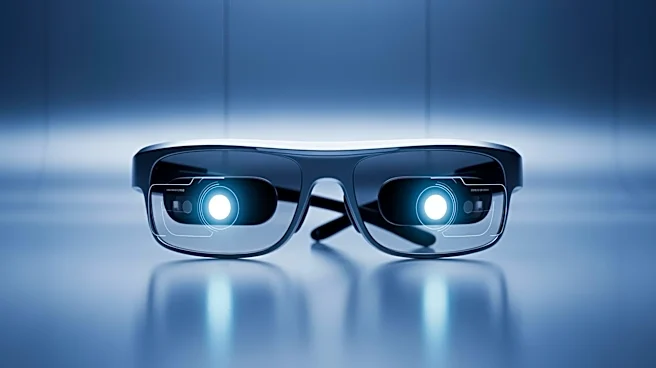
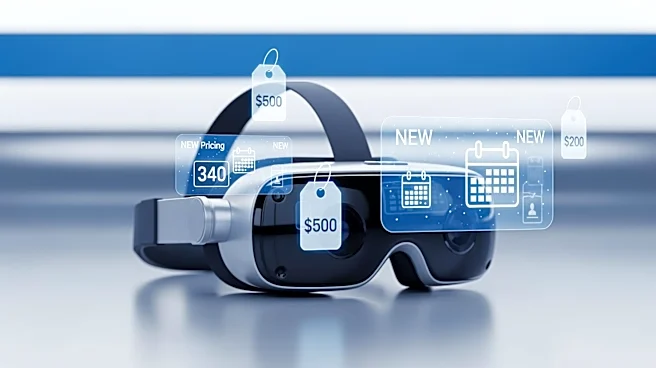
and premium feel. Google, in partnership with Warby Parker, is developing AI-driven frames using Android XR and Gemini AI, aiming for mainstream affordability and optical expertise. Samsung's leaked 'Jinju' glasses are expected to be priced between $380 and $500, positioning them as a midrange option. Snap is also entering the market with smaller, lighter Specs designed for social augmented reality (AR) and everyday filters. Xreal's Project Aura offers an affordable AR entry point with Android XR compatibility. Additionally, live-captioning glasses are emerging as a significant accessibility tool for individuals with hearing loss, providing real-time captions. These developments highlight a competitive landscape where companies are not only focusing on technological advancements but also addressing consumer concerns about privacy and accessibility.
Why It's Important?
The introduction of these smart glasses in 2026 marks a pivotal moment for augmented reality technology, potentially reshaping consumer electronics and daily life. The competition among tech giants like Apple, Google, and Samsung could drive innovation and lower prices, making smart glasses more accessible to a broader audience. The integration of AI and AR features promises enhanced user experiences, such as real-time information overlays and improved accessibility for individuals with disabilities. However, the widespread adoption of smart glasses also raises significant privacy concerns, particularly regarding the use of always-on cameras and on-device identification. Companies will need to balance technological innovation with robust privacy safeguards to gain consumer trust. The success of these products could influence future developments in wearable technology and set new standards for privacy and accessibility in tech.
What's Next?
As these smart glasses approach their anticipated 2026 release, companies are likely to intensify their marketing efforts and refine their product offerings to address consumer feedback and regulatory requirements. Stakeholders, including privacy advocates and regulatory bodies, may push for clearer guidelines and standards to protect user data and privacy. The market's response to these products will be crucial in determining their long-term viability and influence on the tech industry. Additionally, the success of these smart glasses could spur further investment in AR and AI technologies, leading to new applications and innovations in various sectors, including healthcare, education, and entertainment.
Beyond the Headlines
The development and deployment of smart glasses could have far-reaching implications beyond consumer electronics. As these devices become more integrated into daily life, they may influence social interactions and cultural norms, particularly regarding privacy and surveillance. The ability to capture and share real-time experiences could transform how people communicate and engage with their environments. Moreover, the emphasis on accessibility features, such as live-captioning, highlights a growing recognition of the importance of inclusive design in technology. This shift could lead to broader societal changes, promoting greater awareness and accommodation of diverse needs and abilities.