




What's Happening?
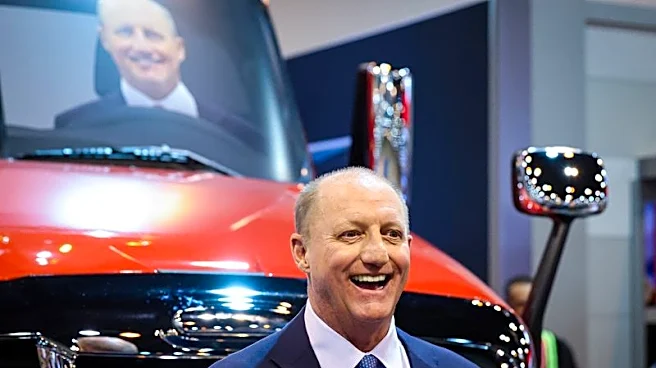
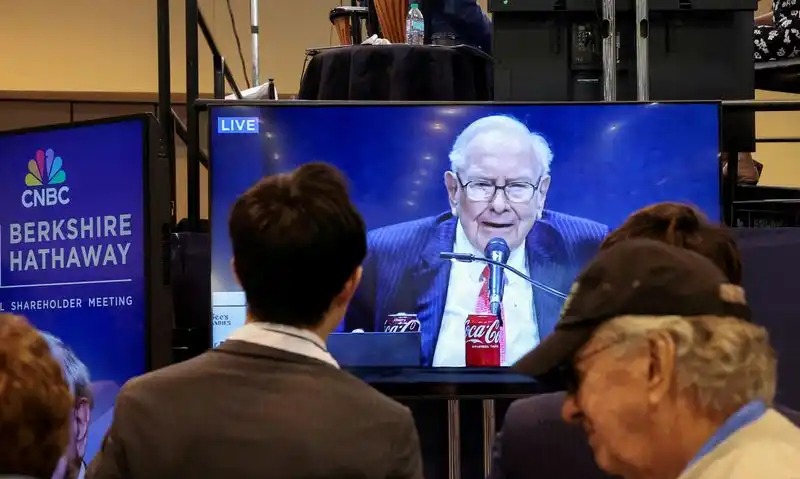
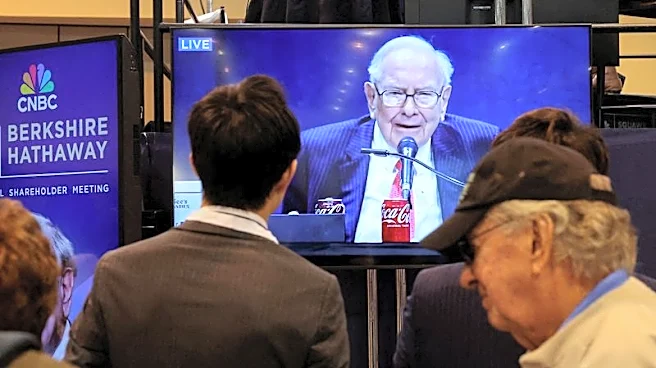
At the 2026 Berkshire Hathaway annual shareholder meeting, new CEO Greg Abel was confronted with a unique situation when a deepfake of former CEO Warren Buffett asked the first question during the Q&A session. The digital likeness of Buffett, who is no
longer the CEO, appeared on screen, humorously introducing himself and inquiring about the long-term value of holding Berkshire shares. Abel responded by discussing the company's strong business fundamentals and substantial cash reserves. He also highlighted the deepfake as an example of the growing risks posed by cyberattacks and misinformation, emphasizing the need for vigilance in protecting the company.
Why It's Important?
The use of a deepfake at such a high-profile event underscores the increasing sophistication and potential impact of AI technologies on business and public perception. For Berkshire Hathaway, a company known for its conservative approach, this incident highlights the challenges of navigating technological advancements while maintaining trust and security. The event also serves as a reminder of the broader implications of AI in corporate governance and the necessity for companies to develop strategies to mitigate risks associated with digital misinformation. Stakeholders, including investors and regulators, may need to consider new policies and safeguards to address these emerging threats.
What's Next?
Following this incident, Berkshire Hathaway and other companies may need to reassess their cybersecurity measures and communication strategies to prevent similar occurrences. The event could prompt discussions among corporate leaders and policymakers about the ethical use of AI and the development of industry standards to combat digital impersonation. Additionally, investors might seek reassurances from companies about their preparedness to handle such technological challenges, potentially influencing future investment decisions.
Beyond the Headlines
The deepfake incident at Berkshire Hathaway's meeting raises questions about the ethical implications of AI technology and its potential to disrupt traditional business practices. As AI becomes more integrated into various sectors, companies will need to balance innovation with ethical considerations, ensuring that technological advancements do not compromise integrity or stakeholder trust. This development may also influence public discourse on the regulation of AI technologies and the responsibilities of tech companies in preventing misuse.