






What's Happening?
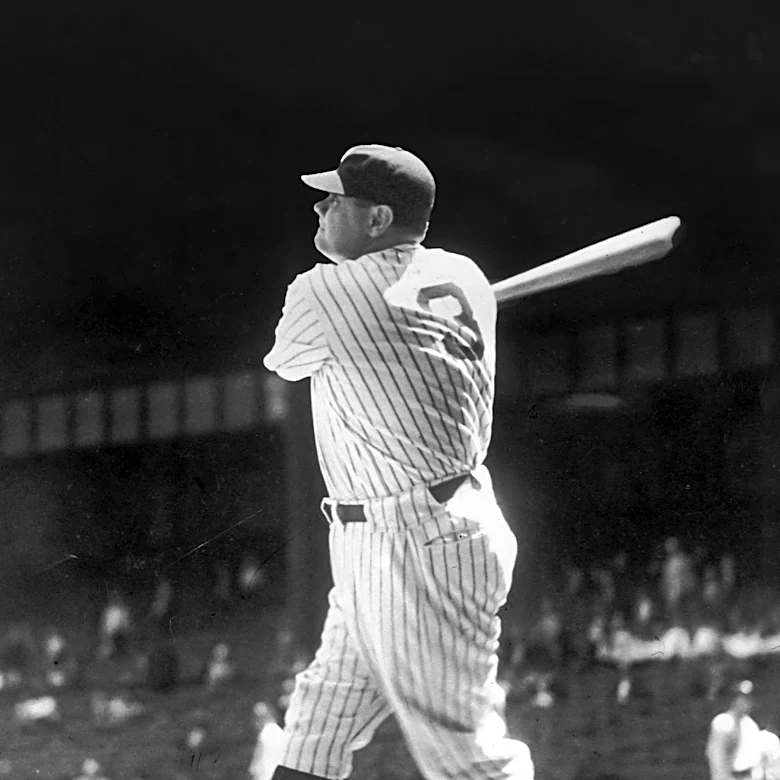
The retirement of Babe Ruth from Major League Baseball on June 2, 1935, marked the end of an era but also brought relief to some of his teammates. Ruth's departure was partly due to a conflict with Boston Braves President Emil Fuchs, who refused to allow
Ruth to represent baseball at a New York event. Ruth expressed dissatisfaction with Fuchs, claiming he was double-crossed, and decided to retire voluntarily. His teammates, particularly pitchers, felt relieved as they believed Ruth's presence in the field had negatively impacted their performance. The situation highlighted internal team dynamics and the challenges of managing star players.
Why It's Important?
Babe Ruth's retirement was a significant moment in baseball history, symbolizing the end of a legendary career. It also exposed the complexities of team management and the impact of star players on team dynamics. Ruth's departure allowed the Boston Braves to refocus and potentially improve team cohesion and performance. The incident underscores the importance of leadership and communication within sports organizations, as well as the potential for internal conflicts to affect team morale and performance. For baseball historians, it provides insight into the challenges faced by teams during the era of baseball's early stars.