
What's Happening?
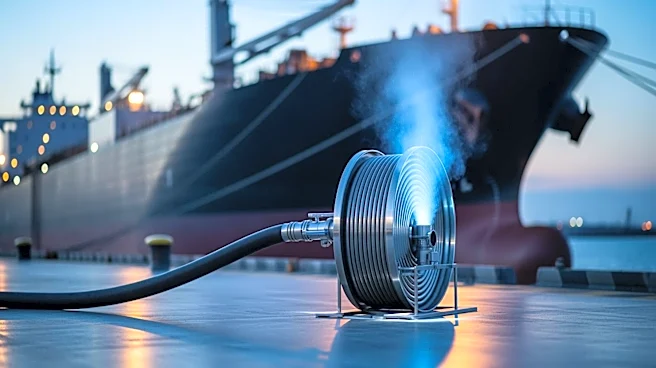
Sawgrass LNG & Power has successfully completed the first-ever shore-to-ship liquefied natural gas (LNG) bunkering operation at Port Everglades in Fort Lauderdale. This operation, conducted on March 26,
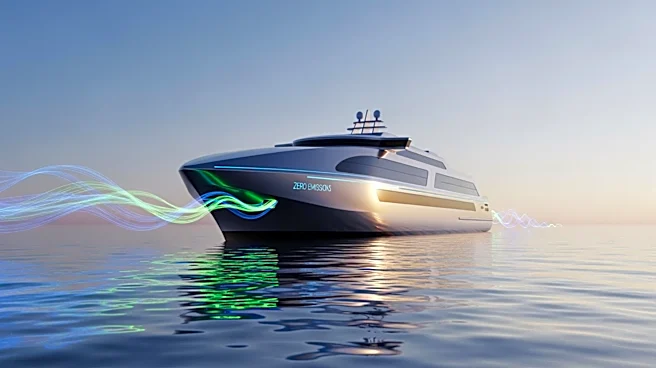
2026, fueled the Ritz-Carlton Yacht Collection vessel Ilma and marks a significant advancement in the use of LNG as a marine fuel in South Florida. The operation was a collaborative effort involving the Ritz-Carlton Yacht Collection, Port Everglades, U.S. Coast Guard Sector Miami, Broward Sheriff's Office, and REV, ensuring high safety and coordination standards. This milestone supports Port Everglades' commitment to next-generation marine fuels and reflects a broader industry shift towards lower-carbon fuel solutions.
Why It's Important?
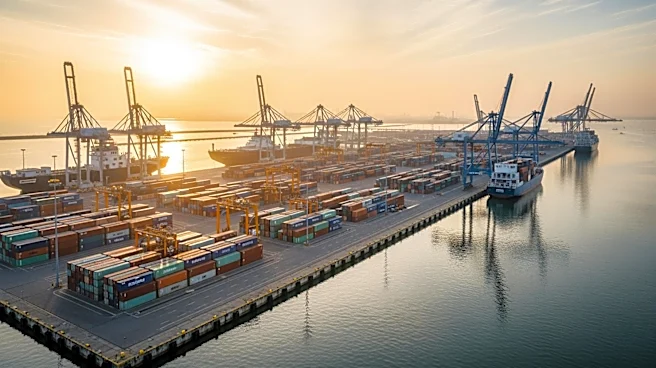
The successful LNG bunkering operation at Port Everglades represents a critical step in the maritime industry's transition to more sustainable fuel options. LNG is considered a cleaner alternative to traditional marine fuels, offering reduced emissions and environmental impact. This development aligns with global efforts to reduce the carbon footprint of the shipping industry and supports the U.S. maritime sector's sustainability goals. The operation also highlights the strategic importance of Port Everglades as a hub for innovative fuel solutions, potentially attracting more cruise and cargo business to the region. The collaboration among various agencies underscores the importance of safety and regulatory compliance in adopting new technologies.
What's Next?
As LNG adoption continues to grow in the maritime sector, Sawgrass LNG & Power is positioned to expand its operations, providing reliable and domestically sourced fuel. Future bunkering operations at Port Everglades are anticipated, with ongoing collaboration among industry partners to ensure safety and efficiency. The success of this operation may encourage other ports to explore similar initiatives, further promoting the use of LNG and other sustainable fuels. The long-term impact on the maritime industry could include reduced emissions, cost savings, and enhanced competitiveness for U.S. ports in the global shipping market.