







What's Happening?
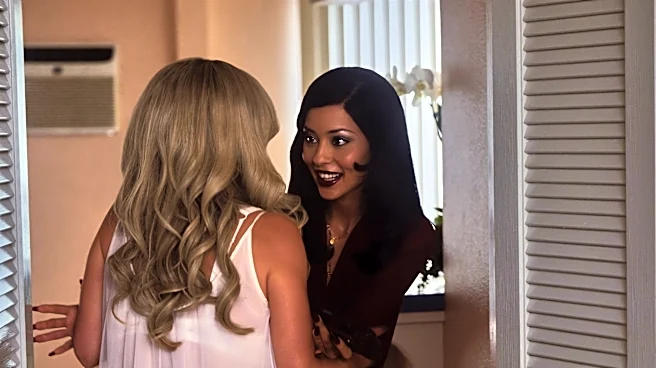
The popular television series 'Euphoria' has come under scrutiny for its repeated use of the R-word, a derogatory term historically used against individuals with intellectual disabilities. This term has appeared in three of the first four episodes of the show's
latest season, prompting criticism from various quarters. Critics argue that the show's portrayal may normalize the term for younger audiences. However, some suggest that 'Euphoria' is not responsible for the resurgence of the term but rather reflects a broader cultural shift. This shift is seen as a reaction against the hyper-policed language culture of the early 2020s, where many young people have grown resentful of what they perceive as performative political correctness.
Why It's Important?
The reemergence of the R-word in mainstream media highlights ongoing tensions around language sensitivity and political correctness. The use of such language can have significant implications for societal attitudes towards individuals with intellectual disabilities. Despite efforts to retire the term through initiatives like 'Rosa's Law' in 2010, which replaced 'mental retardation' with 'intellectual disability,' the term's return suggests a potential regression in cultural sensitivity. This development could undermine years of advocacy work aimed at promoting respect and equity for vulnerable communities. The situation underscores the need for continued dialogue and education on the impact of language on marginalized groups.
What's Next?
The controversy surrounding 'Euphoria' may prompt further discussions among media creators, disability advocates, and audiences about the responsibility of entertainment platforms in shaping cultural norms. There could be increased pressure on content creators to consider the implications of their language choices and to engage with advocacy groups to ensure respectful representation. Additionally, this situation may lead to broader societal debates about the balance between free expression and the need for sensitivity towards marginalized communities. Stakeholders in the entertainment industry might also explore guidelines or frameworks to address such issues proactively.
Beyond the Headlines
The use of the R-word in 'Euphoria' reflects deeper societal issues related to the visibility and integration of individuals with intellectual disabilities. Despite progress in some areas, people with intellectual disabilities remain segregated in many aspects of society, which may contribute to the casual use of derogatory language. This incident highlights the importance of fostering inclusive environments where diverse voices are heard and respected. It also raises questions about the role of media in either perpetuating or challenging harmful stereotypes and the potential for media to serve as a catalyst for positive cultural change.