






What's Happening?
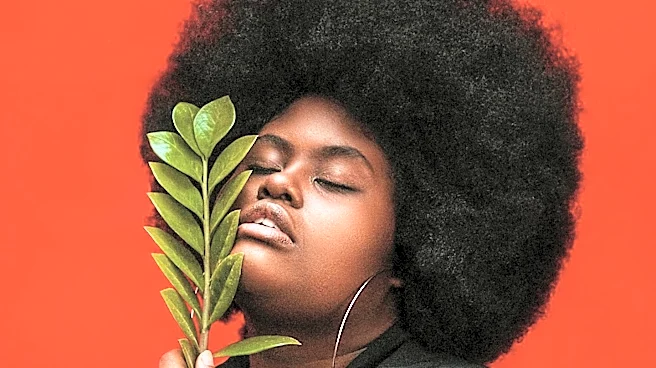
Grooming rules regarding Black hair are facing increased scrutiny across the African and Caribbean diaspora. Incidents in various countries, including Jamaica, the UK, and the US, highlight ongoing disputes over natural Black hairstyles in schools and workplaces.
These rules often stem from colonial-era standards of appearance, which continue to influence policies today. Cases such as Darryl George in the US, who was suspended for his locs, and Ruby Williams in the UK, who faced school exclusion due to her afro, underscore the persistence of hair discrimination.
Why It's Important?
The scrutiny of grooming rules for Black hair is significant as it addresses broader issues of racial discrimination and cultural identity. These rules often disproportionately affect Black individuals, penalizing them for hairstyles that are culturally significant. The ongoing debates and legal actions highlight the need for more inclusive policies that respect cultural diversity. The movement towards recognizing hairstyle discrimination as a form of racial discrimination, as seen with the Crown Act in the US, represents a step towards greater equality and cultural acceptance.
What's Next?
Efforts to reform grooming policies continue, with some countries and regions implementing changes to prevent discrimination based on natural hairstyles. In the US, the Crown Act has been adopted by several states, and similar legislation is being considered in other countries. Campaigners are pushing for afro-textured hair to be recognized as a protected characteristic under equality laws. These developments suggest a growing recognition of the need to address hair discrimination and promote cultural inclusivity.
Beyond the Headlines
The issue of hair discrimination is deeply rooted in historical contexts, tracing back to the transatlantic slave trade and colonialism. The imposition of Eurocentric grooming standards has long been a tool of cultural suppression. Addressing these issues requires not only policy changes but also a shift in societal attitudes towards cultural diversity and acceptance. The ongoing discussions and reforms represent a broader movement towards reclaiming cultural identity and challenging historical injustices.