







What's Happening?
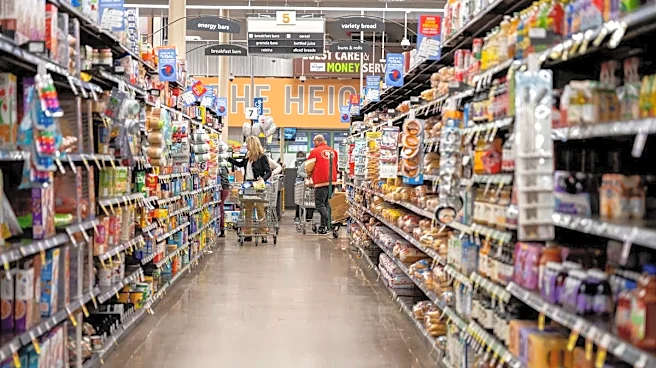
Food manufacturers are facing increased challenges due to heatwaves, which are becoming more frequent and intense. These weather conditions lead to a rise in demand for certain products like ice cream, while simultaneously increasing energy consumption
and operational strain on cold chain systems. According to Jordan Kear-Nash, a principal consultant at Proxima, businesses must ensure their cold chain assets are optimized to handle the additional load. This involves checking refrigeration performance and coordinating with suppliers to manage demand spikes effectively. Despite the increased operational demands, spoilage risks remain low if equipment functions properly and storage conditions are controlled. The industry is advised to adopt flexible forecasting and supply strategies to cope with the fluctuating demand driven by both weather patterns and social media trends.
Why It's Important?
The ability of food manufacturers to adapt to heatwave conditions is crucial for maintaining supply chain resilience and meeting consumer demand. As energy costs rise and labor productivity drops during heatwaves, companies must optimize their operations to prevent disruptions. The situation underscores the importance of robust supply chain management and the need for businesses to secure capacity early and maintain close relationships with suppliers. This proactive approach not only helps in managing operational strain but also in capitalizing on demand spikes, which can be unpredictable due to factors like social media influence. The industry's response to these challenges can significantly impact its economic performance and consumer satisfaction.
What's Next?
Food manufacturers are expected to continue refining their strategies to enhance supply chain resilience against heatwave-induced challenges. This includes investing in more efficient cold chain technologies and developing contingency plans with suppliers to ensure capacity and cost management. As climate change continues to influence weather patterns, the industry may also see increased collaboration with meteorological services to improve demand forecasting. Additionally, companies might explore innovations in product storage and transportation to further mitigate the impact of extreme temperatures. Stakeholders, including procurement teams and logistics providers, will play a critical role in implementing these strategies effectively.
Beyond the Headlines
The increasing frequency of heatwaves highlights broader environmental and economic challenges that industries must address. The food sector's response to these challenges could set a precedent for other industries facing similar climate-related disruptions. Moreover, the emphasis on supply chain resilience may drive technological advancements and policy changes aimed at enhancing sustainability and reducing carbon footprints. As businesses adapt to these new realities, there may be a shift towards more sustainable practices and investments in renewable energy sources to offset rising operational costs.