


What's Happening?
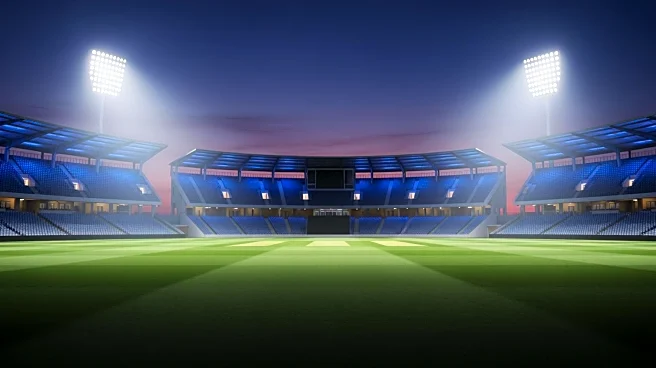
The Pakistan Super League (PSL), a prominent domestic T20 cricket league, will be held without spectators due to a significant increase in oil prices, as confirmed by the Pakistan Cricket Board (PCB). Originally planned to take place across six cities,
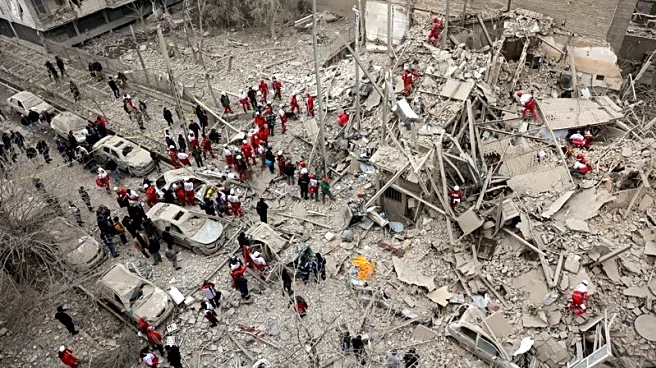
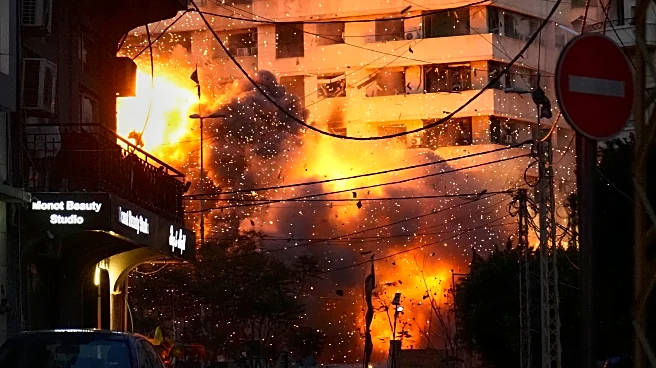
the matches will now be confined to Lahore and Karachi, starting with the opening game in Lahore. The decision comes in response to the regional conflict involving the US and Israel's attack on Iran, which has led to soaring fuel prices. The PCB has decided to cancel the opening ceremony and restrict the games to empty stadiums to conserve resources and adhere to government advisories on limiting movement. Several foreign players, including Australians Jake Fraser-McGurk and Spencer Johnson, have withdrawn from the league for personal reasons. The PCB has assured ticket refunds within 72 hours and compensation for franchise owners due to the loss of gate receipts.
Why It's Important?
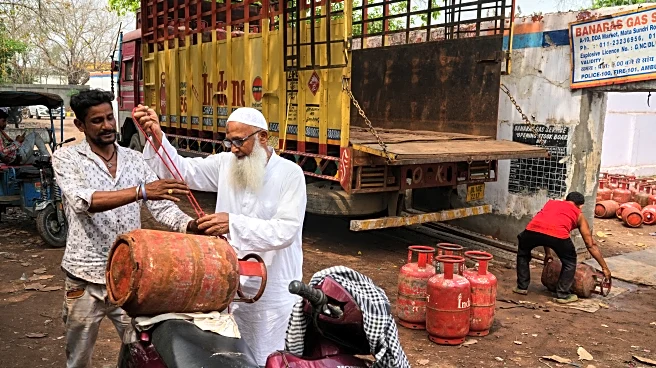
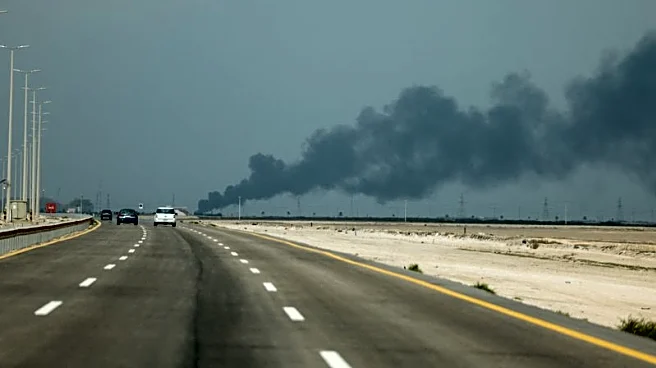
The decision to hold the PSL without spectators highlights the broader economic and social impacts of regional conflicts on sports and public events. The rising oil prices, a direct consequence of geopolitical tensions, have forced the PCB to make significant logistical changes, affecting local economies and businesses reliant on the league's operations. The absence of live audiences will impact revenue streams for the franchises and local vendors, emphasizing the interconnectedness of global events and local economies. This situation underscores the vulnerability of sports events to external economic pressures and the need for adaptive strategies in crisis management.
What's Next?
The PCB's decision to proceed with the PSL in empty stadiums may set a precedent for other sports events in the region facing similar economic challenges. The board will need to monitor the ongoing geopolitical situation closely and remain flexible in its planning. Future decisions may involve further adjustments to the league's format or schedule, depending on the duration and impact of the fuel crisis. Stakeholders, including the government and franchise owners, will likely engage in discussions to explore alternative revenue models and support mechanisms for affected parties.