






What's Happening?
The NCAA men's basketball transfer portal is nearing its closure for the 2026-27 season, with players required to enter their names by Tuesday to be eligible for transfer. This period has seen significant player movements, with several high-profile transfers
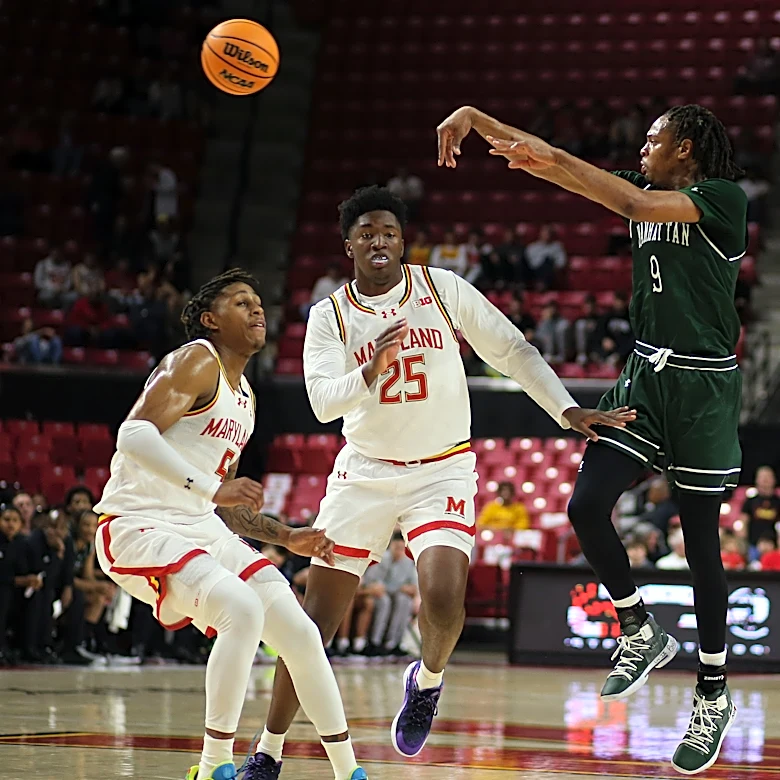
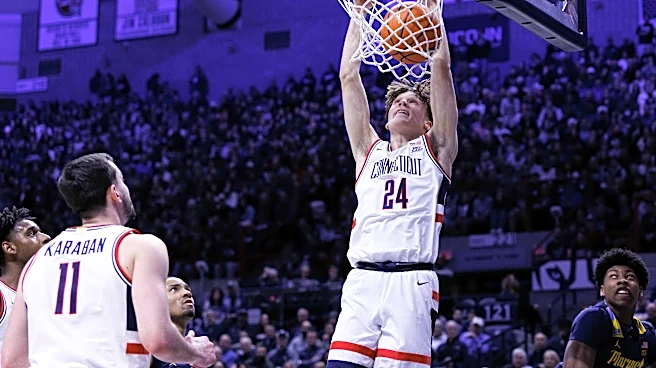
reshaping team rosters. Notable transfers include Flory Bidunga moving from Kansas to Louisville, PJ Haggerty transferring to Texas A&M from Kansas State, and Nik Khamenia shifting from Duke to UConn. These moves are part of a broader trend where players seek new opportunities and teams aim to bolster their lineups with fresh talent. The transfer portal has become a critical component of college basketball, allowing players to find better fits and teams to address specific needs.
Why It's Important?
The transfer portal significantly impacts college basketball dynamics, offering players more flexibility and teams the chance to quickly rebuild or enhance their rosters. For players, it provides an opportunity to find programs that better suit their skills or offer more playing time. For teams, it allows for strategic acquisitions that can immediately improve competitiveness. This system has transformed team-building strategies, with coaches now needing to balance recruiting high school talent with acquiring experienced college players. The influx of transfers can alter conference power dynamics, as seen with Louisville and UConn strengthening their squads with key players. This trend underscores the evolving nature of college sports, where adaptability and strategic planning are crucial for success.
What's Next?
As the transfer portal window closes, teams will finalize their rosters for the upcoming season. Coaches will focus on integrating new players into their systems and developing team chemistry. The impact of these transfers will become evident as the season progresses, with some teams potentially emerging as stronger contenders due to their new additions. Additionally, the NCAA may continue to evaluate the transfer portal's rules and impact, potentially leading to further adjustments in the future. Stakeholders, including coaches, players, and administrators, will closely monitor these developments to optimize their strategies and ensure compliance with evolving regulations.