



What's Happening?
Gap, a well-known American clothing retailer, is experiencing a resurgence in popularity, particularly in the secondhand fashion market. Founded in 1969, Gap became iconic in the 1990s with its denim, khakis, and logo apparel. Recently, there has been
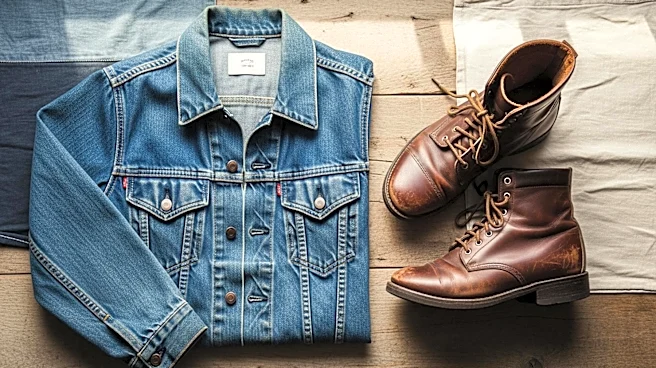
a growing trend of consumers seeking vintage Gap items, driven by nostalgia and the perceived quality of older garments. According to ThredUp, a digital secondhand retailer, Gap ranks as one of the most-shopped brands on their platform, highlighting a shift towards online resale and secondhand shopping. This trend is fueled by consumers' desire to save money and make sustainable fashion choices. Gap's recent cultural repositioning, including collaborations with designers and marketing campaigns reminiscent of its 1990s heyday, has contributed to its renewed relevance.
Why It's Important?
The resurgence of Gap in the secondhand market underscores a broader shift in consumer behavior towards sustainable fashion. As more people opt for secondhand shopping, brands like Gap benefit from increased visibility and cultural relevance. This trend also reflects a growing appreciation for vintage fashion, which is often seen as higher quality compared to fast fashion. For Gap, this renewed interest could lead to increased brand loyalty and sales, as consumers seek out nostalgic and iconic pieces. The brand's ability to adapt and reposition itself culturally demonstrates the potential for legacy retailers to thrive in a changing market landscape.
What's Next?
Gap's continued success in the secondhand market may encourage the brand to further embrace sustainability and vintage-inspired collections. Collaborations with designers and strategic marketing campaigns could continue to bolster its cultural relevance. As consumer interest in sustainable fashion grows, Gap and similar retailers might explore new ways to engage with this audience, potentially expanding their offerings in the secondhand and vintage markets. Additionally, the brand's ability to maintain its appeal across generations will be crucial in sustaining its resurgence.