



What's Happening?
The Federal Reserve is holding a two-day meeting to discuss interest rate policy amid the ongoing conflict with Iran, which has raised concerns about a global energy crisis and inflation. Fed Chair Jerome Powell and the Federal Open Market Committee are
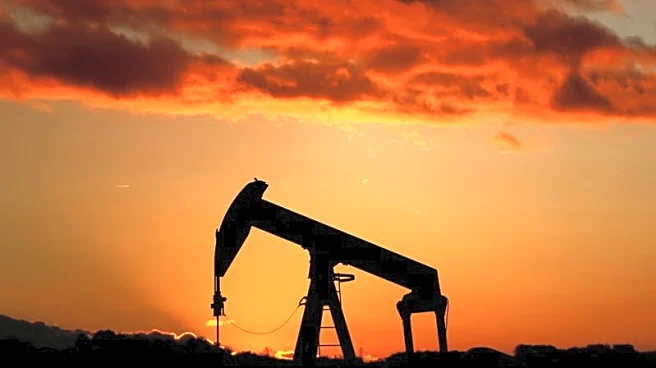
expected to vote to keep the benchmark rate unchanged, with a high probability of no rate change at this week's meeting. The conflict has led to soaring global oil prices, increasing the risk of inflation and complicating the Fed's path for future rate cuts. Cleveland Fed President Beth Hammack has warned that the central bank might need to consider a rate hike if inflation accelerates due to the oil shock. The Fed's dual mandate of price stability and maximum employment is being tested as it navigates these economic challenges.
Why It's Important?
The Federal Reserve's interest rate decisions are crucial for managing inflation and supporting economic growth. The current geopolitical tensions with Iran have introduced significant uncertainties, particularly regarding energy prices and inflation. Higher interest rates could be used to combat inflation, but they also risk slowing economic growth and increasing unemployment. The Fed's cautious approach reflects the complexity of balancing these competing priorities. The outcome of the Fed's decisions will have wide-ranging implications for financial markets, consumer borrowing costs, and overall economic stability.
What's Next?
The Federal Reserve is expected to maintain its current interest rates in the near term, with the possibility of a rate cut not likely until September or later. The Fed will continue to assess the impact of the Iran conflict on inflation and the broader economy. Fed Chair Jerome Powell's upcoming press conference will be closely watched for insights into the Fed's future policy direction. The ongoing geopolitical crisis and its economic implications will remain a key focus for the Fed in its upcoming meetings.