






What's Happening?
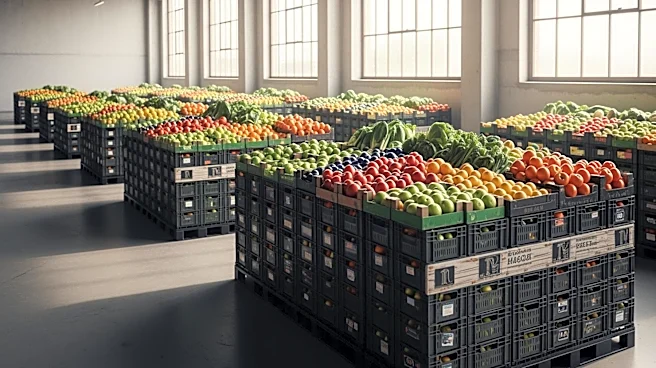
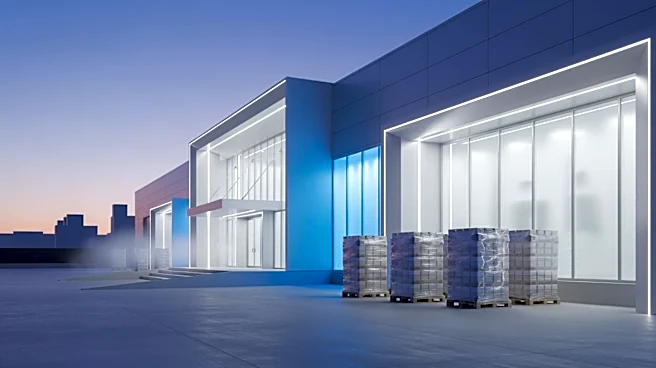
DHL Supply Chain has entered into a memorandum of understanding with RLCold, a real estate development firm specializing in cold storage warehousing and processing for the food and beverage sector. This partnership aims to develop over five million square
feet of advanced temperature-controlled facilities across North America. The collaboration will focus on creating multi-temperature distribution centers, enhancing the logistics infrastructure for the food and beverage industry. This initiative is part of a broader trend in the logistics sector to expand and modernize facilities to meet growing demand, particularly in temperature-sensitive supply chains.
Why It's Important?
The development of advanced cold storage facilities is crucial for the food and beverage industry, which relies heavily on efficient and reliable logistics solutions to maintain product quality and safety. This partnership between DHL and RLCold is expected to significantly enhance the capacity and efficiency of cold storage logistics in North America. By expanding the infrastructure, the initiative supports the growing demand for temperature-controlled logistics, driven by increasing consumer expectations for fresh and perishable goods. This development could lead to improved supply chain resilience and competitiveness for businesses in the sector, potentially reducing costs and improving service levels.
What's Next?
As the partnership progresses, DHL and RLCold will likely focus on site selection and the design of these new facilities to optimize their operational efficiency. The development of these centers will involve significant investment in technology and infrastructure to ensure they meet the latest standards in temperature control and energy efficiency. Stakeholders in the food and beverage industry, including manufacturers, distributors, and retailers, will be closely monitoring the progress of this initiative, as it promises to enhance their supply chain capabilities. Additionally, this development may prompt other logistics providers to invest in similar infrastructure improvements to remain competitive.