









What's Happening?
A recent discussion among New Yorkers has brought to light the question of whether pennies are still necessary in today's economy. As the world increasingly moves towards digital transactions, the relevance of physical coins, particularly pennies, is being
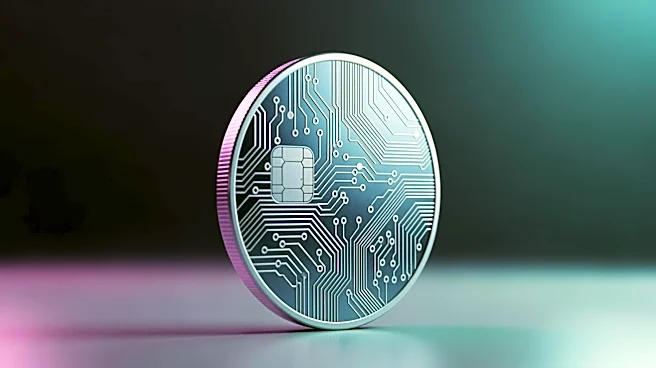
questioned. The debate centers around whether these coins will be missed if phased out and if society is ready to transition fully to a digital monetary system. This conversation reflects broader trends in the economy where digital payments are becoming more prevalent, raising questions about the future of cash and coinage.
Why It's Important?
The potential phasing out of pennies is significant as it highlights the ongoing shift towards a cashless society. This transition could have wide-ranging implications for various sectors, including retail, banking, and consumer behavior. For businesses, eliminating pennies could streamline transactions and reduce costs associated with handling cash. However, it also raises concerns about accessibility for individuals who rely on cash for everyday transactions. The move towards digital currency could benefit tech companies and financial institutions that facilitate electronic payments, but it may also widen the gap for those without access to digital banking solutions.
What's Next?
If the trend towards digital currency continues, policymakers and financial institutions may need to address the challenges of ensuring equitable access to digital payment systems. This could involve developing infrastructure to support digital transactions and creating policies to protect consumers in a cashless economy. Additionally, public education campaigns may be necessary to help individuals transition smoothly to digital payments. The debate over pennies could also prompt broader discussions about the future of other denominations and the role of physical currency in a digital age.