


What's Happening?
Tesla has officially ended production of its Model S sedan and Model X SUV, marking a significant shift in the company's strategy. CEO Elon Musk confirmed that custom orders for these models are no longer available, with only a few remaining in inventory.
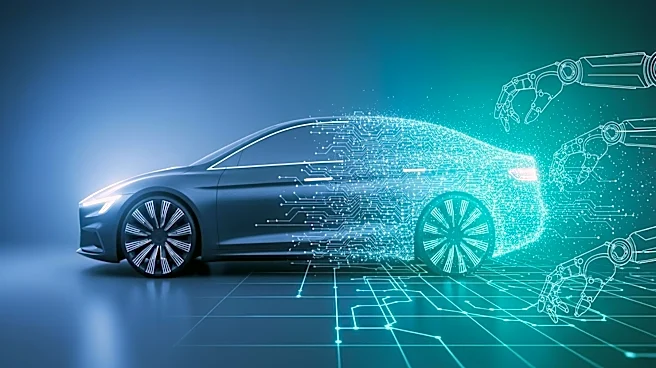
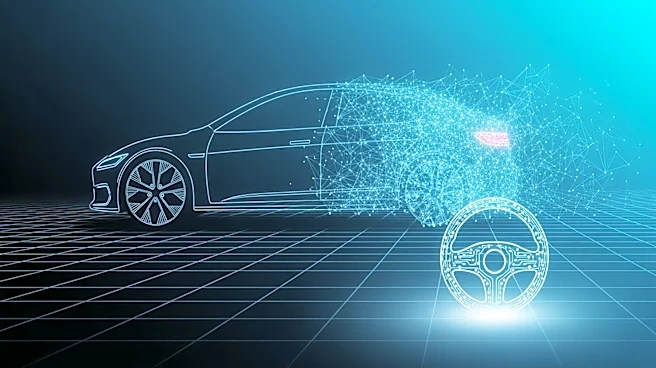
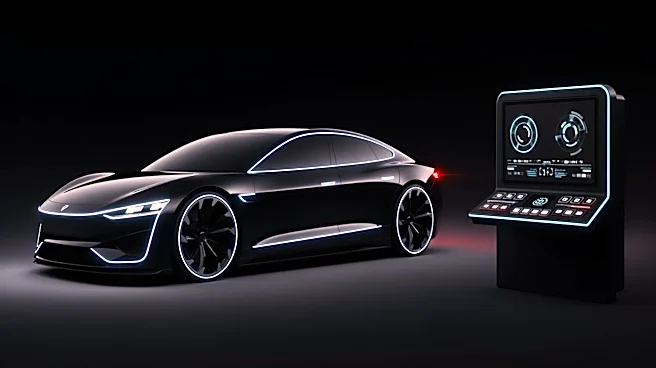
This decision follows a steady decline in sales of these models, which peaked in 2017. Tesla is now focusing on its AI initiatives, including the Optimus robot and the Cybercab, an autonomous vehicle designed without traditional controls. The Cybercab is set to begin production at Tesla's Austin, Texas factory, although it faces regulatory challenges due to its lack of steering wheel and pedals.
Why It's Important?
Tesla's shift away from traditional electric vehicles to focus on AI and autonomous technology represents a significant change in the automotive industry. The discontinuation of the Model S and X reflects the company's strategic pivot towards more innovative and potentially disruptive technologies. This move could impact Tesla's market position, as it transitions from being primarily an automaker to an AI-driven company. The success of the Cybercab and Optimus robot could redefine transportation and automation, influencing regulatory standards and consumer expectations. However, the regulatory hurdles for autonomous vehicles could pose challenges for Tesla's new direction.
What's Next?
Tesla plans to start mass production of the Cybercab this month, although regulatory approval is still pending. The company must navigate federal motor vehicle safety standards, which require traditional vehicle controls. Tesla's Full Self-Driving software will be crucial for the Cybercab's operation, but it has yet to prove its reliability at scale. The company may look to precedents set by other autonomous vehicle companies, like Zoox, which have received exemptions for similar technologies. The outcome of these regulatory processes will be critical for Tesla's future in autonomous transportation.
Beyond the Headlines
Tesla's focus on AI and autonomous vehicles could have broader implications for the automotive industry and urban mobility. The shift may accelerate the adoption of autonomous technology, influencing infrastructure development and urban planning. Ethical and safety considerations will be paramount as Tesla and other companies push the boundaries of autonomous driving. The transition also highlights the evolving role of AI in everyday life, raising questions about job displacement and the future of human-machine interaction.