






What's Happening?
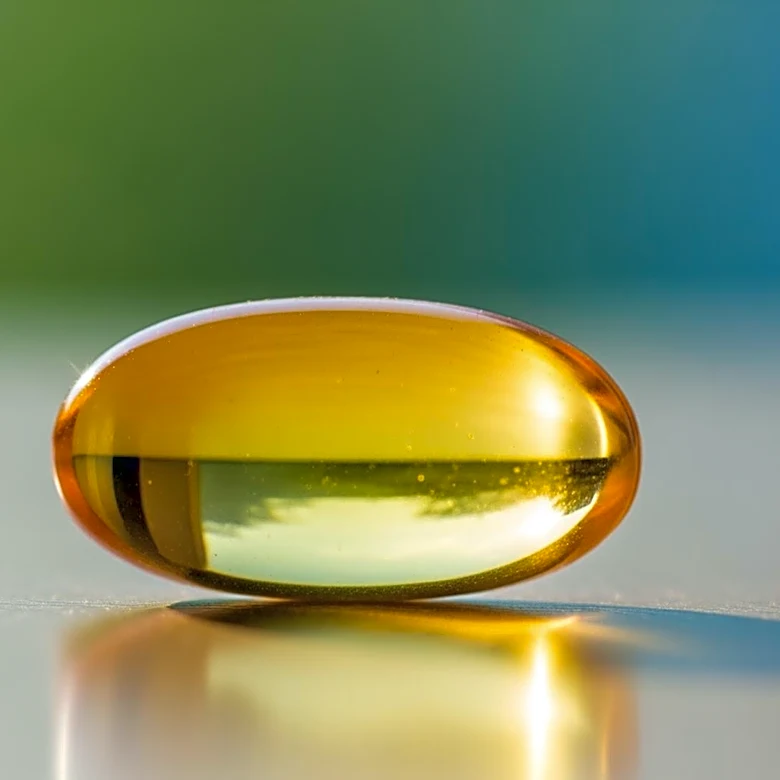
As heart disease remains a leading cause of death in the U.S., garlic supplements are gaining attention for their potential cardiovascular benefits. These supplements, derived from concentrated garlic, are touted for their ability to lower blood pressure
and cholesterol levels. Garlic contains allicin, a compound known for its anti-inflammatory properties and ability to relax blood vessels. While fresh garlic is more potent, supplements offer a convenient, odorless alternative. Recent studies suggest that garlic supplements can improve heart health markers, though long-term data on their effectiveness in preventing heart attacks or strokes is inconsistent.
Why It's Important?
The rising prevalence of heart disease in the U.S. underscores the need for effective prevention strategies. Garlic supplements offer a natural, accessible option for individuals seeking to manage their cardiovascular health. Their potential benefits could reduce reliance on pharmaceutical interventions, lowering healthcare costs and improving quality of life. However, the lack of regulatory oversight on supplement quality and the variability in allicin content highlight the need for consumer caution. As more people turn to supplements, understanding their efficacy and safety becomes crucial.
Beyond the Headlines
The popularity of garlic supplements reflects a broader trend towards natural health solutions. This shift raises questions about the regulation of dietary supplements and the need for standardized testing to ensure product quality. Additionally, the cultural significance of garlic in various cuisines may influence its acceptance as a health supplement. The ongoing research into garlic's health benefits could lead to new insights into its role in disease prevention and management.