



What's Happening?
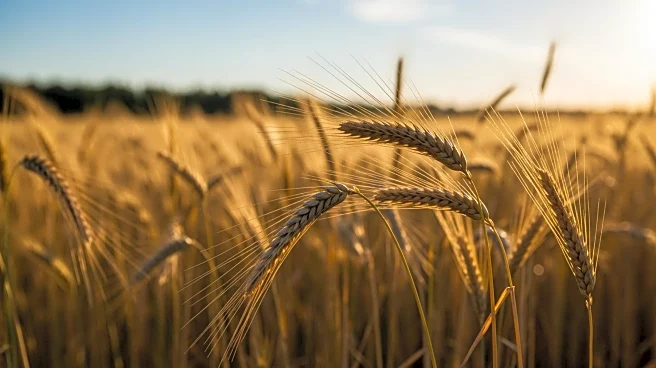
The U.S. grain farming market is projected to experience substantial growth, reaching a value of $1,753.75 billion by 2030, with a compound annual growth rate (CAGR) of 7.4%. This growth is driven by increasing demand for sustainable agricultural practices and plant-based foods. Key trends include the adoption of high-yield grain varieties, expansion of organic grain cultivation, and increased use of grain-based animal feeds. Major companies like Blaine Larsen Farms Inc., Hartung Brothers Inc., and Olam International are leading the market. Additionally, AGCO Corporation's acquisition of Trimble's agriculture division for $2.0 billion aims to enhance precision agriculture offerings.
Why It's Important?
The expansion of the grain farming market is significant for
the U.S. economy as it aligns with global trends towards sustainability and plant-based diets. This shift not only supports environmental goals but also meets the nutritional needs of a growing population. The focus on climate-resilient crops and eco-friendly inputs ensures long-term productivity and environmental health. The involvement of major companies in this sector highlights the economic potential and the strategic importance of agriculture in addressing food security and sustainability challenges.
What's Next?
The grain farming market is expected to continue evolving with advancements in precision agriculture and digital platforms like GrainBank, which offer post-harvest solutions. The focus will likely remain on enhancing crop yields and diversifying grain types to meet global demand. As the market grows, regulatory frameworks and trade policies will play a crucial role in shaping its future, particularly in terms of tariffs and international trade agreements.
Beyond the Headlines
The shift towards sustainable grain farming practices reflects broader societal changes towards environmental consciousness and health awareness. This transition may influence cultural attitudes towards food consumption and agricultural practices, potentially leading to more widespread adoption of plant-based diets and organic farming. The integration of technology in agriculture also raises questions about data privacy and the digital divide among farmers.