






What's Happening?
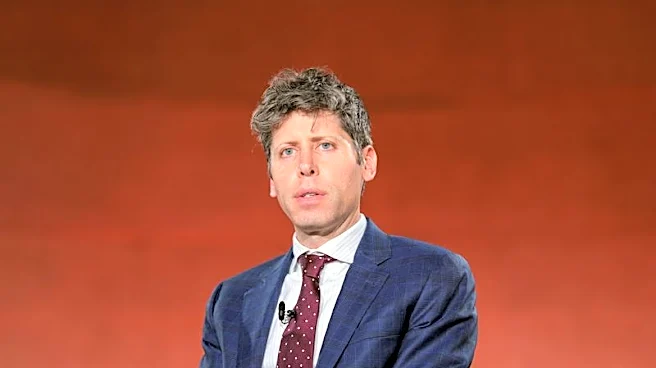
Sam Altman, CEO of OpenAI, confirmed an incident involving a Molotov cocktail being thrown at his home in San Francisco. The event occurred amid heightened tensions following a critical investigation by Ronan Farrow and Andrew Marantz in The New Yorker.
The San Francisco Police Department arrested an individual in connection with the attack, and no injuries were reported. Altman addressed the incident in a personal blog post, expressing concern over the power of words and narratives, especially in the context of growing anxiety about artificial intelligence. He also reflected on the challenges and responsibilities of leading OpenAI, acknowledging past mistakes and emphasizing the importance of democratizing AI to prevent power concentration.
Why It's Important?
The incident underscores the increasing scrutiny and pressure faced by leaders in the AI industry, particularly as public concern about the implications of AI technology grows. Altman's reflections highlight the ethical and societal challenges associated with AI development, including the need for comprehensive safety measures and policy responses to manage economic transitions. The event also illustrates the potential personal risks for high-profile figures in the tech industry, as public discourse around AI becomes more charged. This situation may influence future discussions on AI governance and the responsibilities of tech leaders in shaping the future of AI.
What's Next?
OpenAI and law enforcement will continue to investigate the incident, while Altman and his team may need to address security concerns for their employees and facilities. The broader AI community might see increased calls for transparency and accountability in AI development. Policymakers could be prompted to consider new regulations to ensure AI technologies are developed and deployed safely and equitably. Altman's blog post suggests a need for a societal response to AI's challenges, which could lead to more collaborative efforts between tech companies, governments, and civil society to address AI's impact.