






What's Happening?
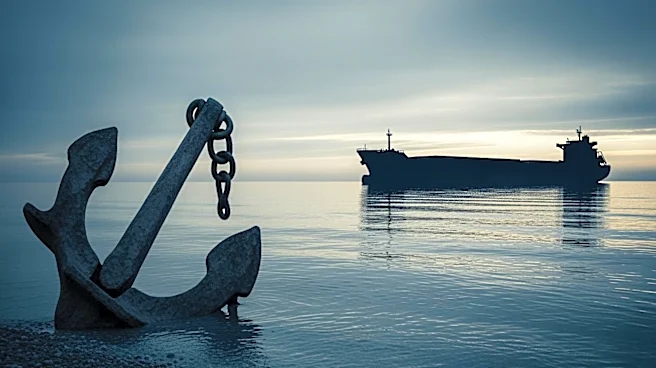
The U.S. government's decision to extend the Jones Act waiver for another 90 days has sparked criticism for benefiting foreign maritime companies at the expense of American shipbuilders. The waiver, initially issued to address the closure of the Strait
of Hormuz, has allowed foreign-flagged vessels to operate in U.S. domestic trades, displacing American vessels and mariners. Critics argue that the waiver undermines the Jones Act, which is designed to protect U.S. maritime interests, and benefits countries that did not support U.S. operations in the region. The situation has raised concerns about the long-term impact on American shipbuilding and maritime infrastructure.
Why It's Important?
The extension of the Jones Act waiver highlights the challenges of balancing national security needs with domestic economic interests. While the waiver was intended to address immediate logistical challenges, its implementation has favored foreign operators, potentially weakening the U.S. maritime industry. This situation underscores the importance of maintaining a robust domestic shipbuilding capacity, which is critical for national security and economic resilience. The controversy also reflects broader geopolitical dynamics, as foreign countries gain strategic leverage in U.S. waters.
What's Next?
The debate over the Jones Act waiver is likely to continue, with calls for a more targeted approach that prioritizes American maritime interests. Policymakers may explore alternative measures to address national security concerns without undermining domestic industries. The situation may also prompt discussions about the need for broader reforms to support U.S. shipbuilding and maritime infrastructure, ensuring that American interests are protected in future crises.