





What's Happening?
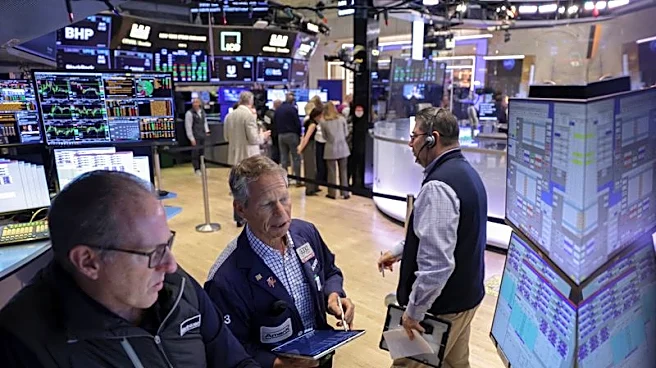
On Monday, U.S. stocks experienced a significant surge as the possibility of a peace deal to end the ongoing conflict in the Middle East increased investor risk appetite. This development led to a decline in both the U.S. dollar and oil prices. The conflict,
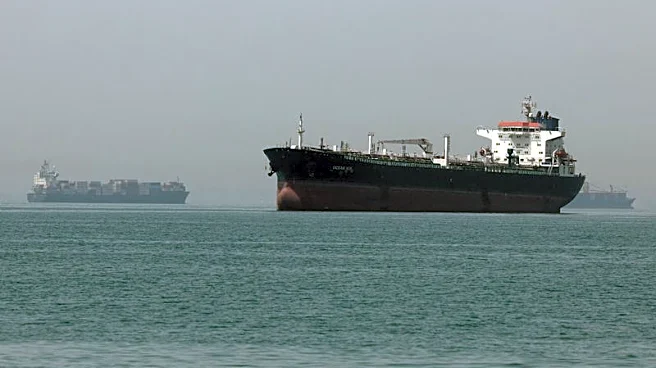
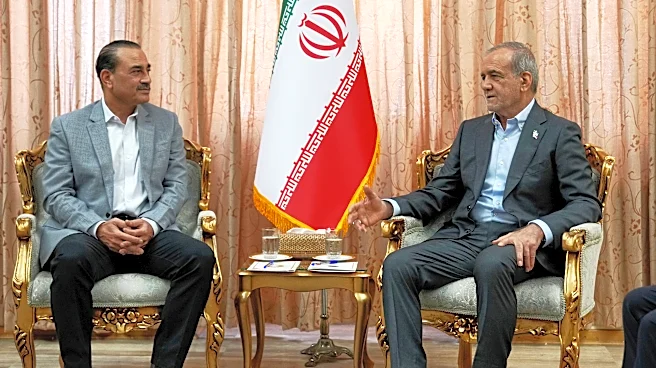
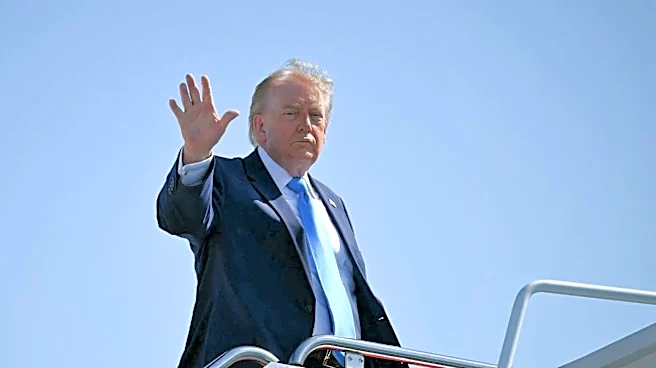
which has lasted nearly three months, has significantly impacted global energy prices and economic outlooks, particularly due to the effective shutdown of the Strait of Hormuz by Tehran. This strait is a critical passage for a substantial portion of the world's energy supply. President Trump stated that while a memorandum of understanding with Iran had been largely negotiated to reopen the strait, he advised his representatives not to rush into finalizing the deal. Despite the positive market response, the exact timing of the strait's reopening remains uncertain, tempering overall enthusiasm.
Why It's Important?
The potential resolution of the Middle East conflict could have far-reaching implications for global markets and the U.S. economy. The conflict has driven up energy prices, contributing to inflationary pressures and affecting monetary policy decisions. A resolution could stabilize energy prices, potentially easing inflation concerns and influencing Federal Reserve policy. Additionally, the reopening of the Strait of Hormuz would restore a critical supply route for global oil and liquefied natural gas, impacting energy markets and related industries. Investors and policymakers are closely monitoring these developments, as they could lead to shifts in economic strategies and market dynamics.
What's Next?
The next steps involve continued negotiations between the U.S. and Iran to finalize the peace deal and reopen the Strait of Hormuz. Market participants will be watching for official announcements and timelines regarding the strait's reopening. The resolution of the conflict could lead to adjustments in energy prices and influence global economic forecasts. Stakeholders, including governments and businesses, will need to adapt to the changing geopolitical landscape and its economic implications. The situation remains fluid, with potential for further developments that could impact global markets.