




What's Happening?
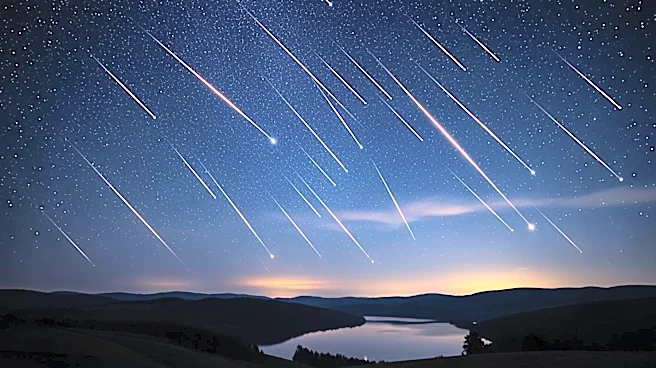
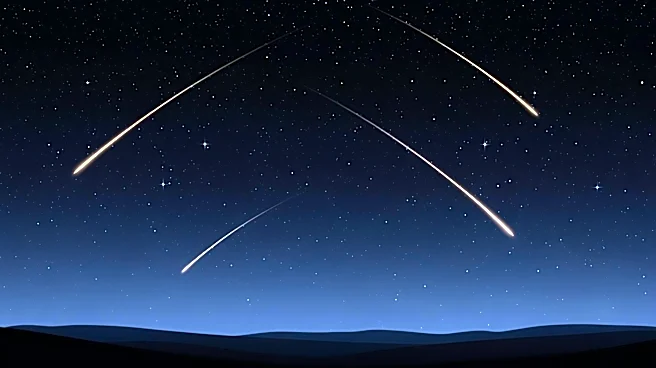
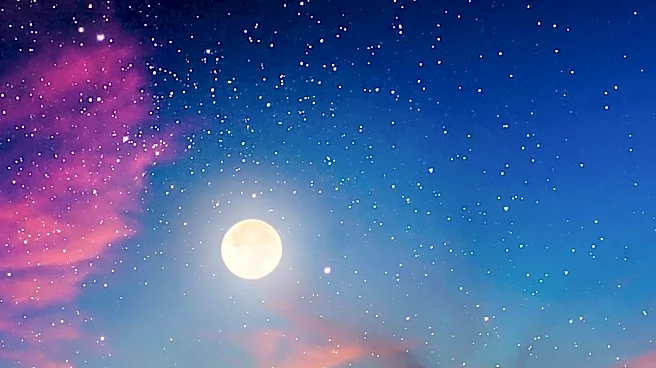
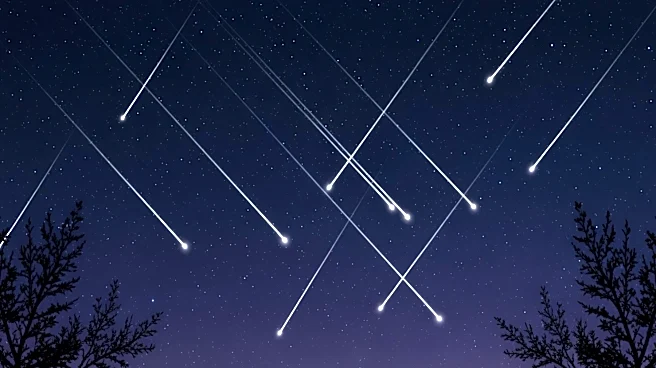
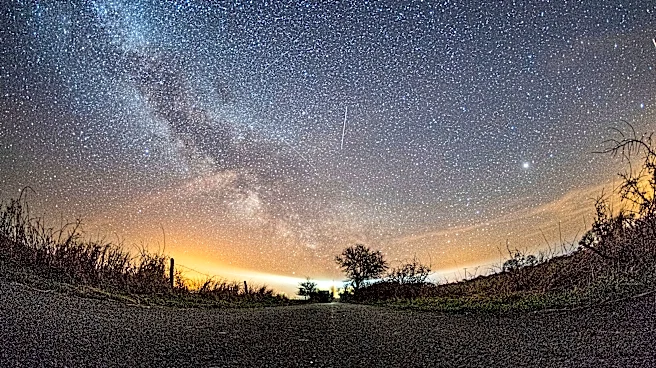
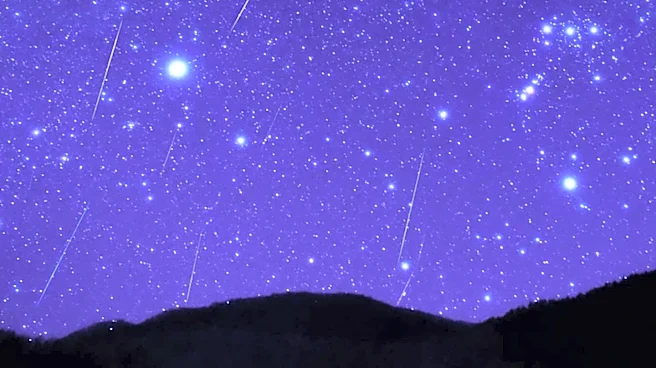
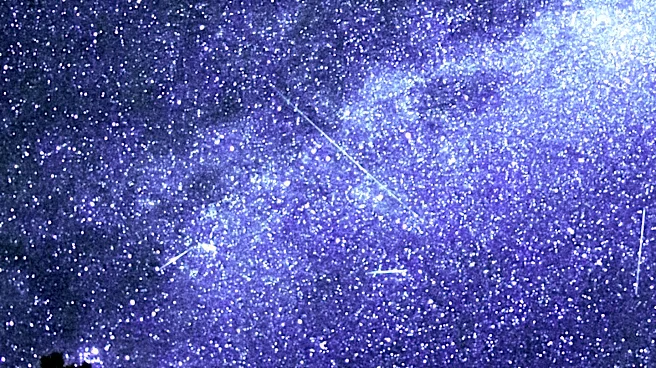
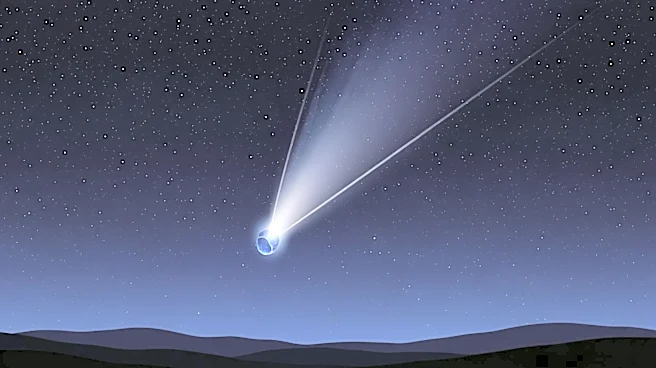
The Lyrid meteor shower is set to peak with enhanced visibility due to a dim crescent moon, allowing skywatchers to potentially see 10 to 20 shooting stars per hour. According to NASA, the meteor shower will be most visible in the Northern Hemisphere,
with the crescent moon setting before the peak viewing time. The Lyrids, one of the oldest recorded meteor showers, are the result of Earth passing through debris trails left by comet Thatcher. The best viewing conditions are away from city lights, and observers are advised to allow their eyes to adjust to the darkness for optimal viewing.
Why It's Important?
Meteor showers like the Lyrids offer a unique opportunity for public engagement with astronomy and space science. The event encourages people to explore the night sky, fostering interest in scientific observation and education. Such celestial events can also boost local tourism in areas with optimal viewing conditions, providing economic benefits. Additionally, the study of meteor showers contributes to our understanding of cometary debris and the solar system's history. The Lyrids' visibility this year, enhanced by favorable lunar conditions, makes it a significant event for both amateur and professional astronomers.
What's Next?
Following the Lyrid meteor shower, the next major celestial event is the Eta Aquarids, expected in early May. This shower, originating from Halley's comet, will provide another opportunity for skywatchers to observe meteor activity. As interest in space phenomena grows, educational institutions and observatories may organize events to engage the public. The continued observation and study of meteor showers contribute to ongoing research in astronomy, potentially leading to new discoveries about cometary behavior and the solar system.