

What's Happening?
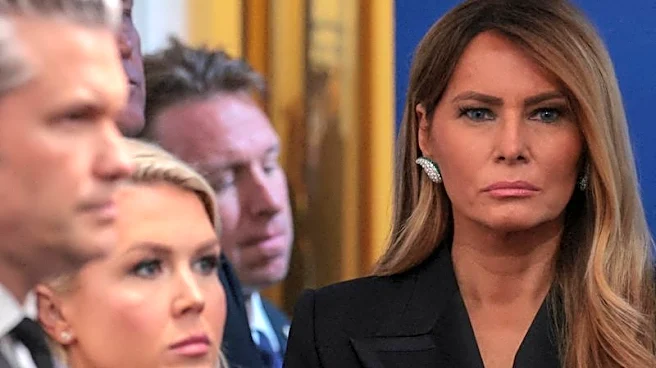
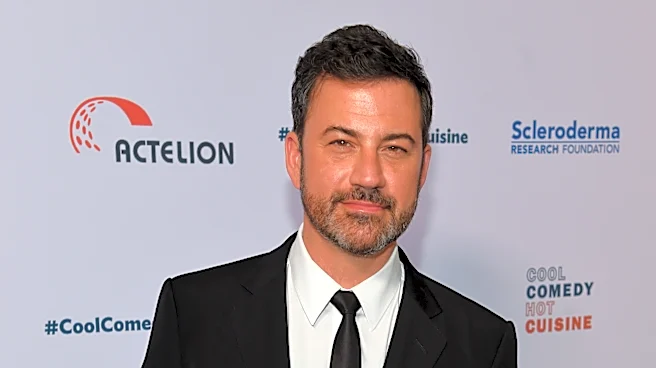
George Clooney, a prominent critic of President Trump, has publicly defended comedian Jimmy Kimmel following backlash over a joke made at the White House Correspondents' Dinner. Kimmel's comment about First Lady Melania Trump having a 'glow like an expectant
widow' drew criticism, particularly after a shooting incident at the event. Clooney, speaking at the Film at Lincoln Center's Chaplin Award Gala, argued that Kimmel's joke was taken out of context and highlighted the dangers of escalating rhetoric. He condemned political violence, referencing the shooting and calling for unity against hatred and violence. President Trump responded by urging ABC to fire Kimmel, labeling the joke as a 'despicable call to violence.' Kimmel defended his joke, stating it was about the age difference between the Trumps and the joy seen on Melania's face.
Why It's Important?
This incident underscores the ongoing tensions between media figures and political leaders, particularly in the context of free speech and political satire. The backlash against Kimmel highlights the sensitive nature of political humor in today's polarized climate. Clooney's defense of Kimmel and his call for unity reflect broader societal concerns about the impact of divisive rhetoric and political violence. The situation also raises questions about the boundaries of comedic expression and the responsibilities of public figures in fostering a more civil discourse. The potential consequences for Kimmel, including President Trump's call for his firing, illustrate the high stakes involved in navigating political commentary in the entertainment industry.
What's Next?
The fallout from this incident may lead to further discussions about the role of comedy in political discourse and the responsibilities of media companies in moderating content. ABC and Disney, as Kimmel's employers, may face pressure to respond to President Trump's demands, potentially impacting Kimmel's career. Additionally, the incident could prompt broader conversations about the limits of free speech and the need for more constructive dialogue in political and public arenas. Stakeholders, including media organizations, political leaders, and civil society groups, may need to address these issues to prevent further escalation of tensions.