
What's Happening?
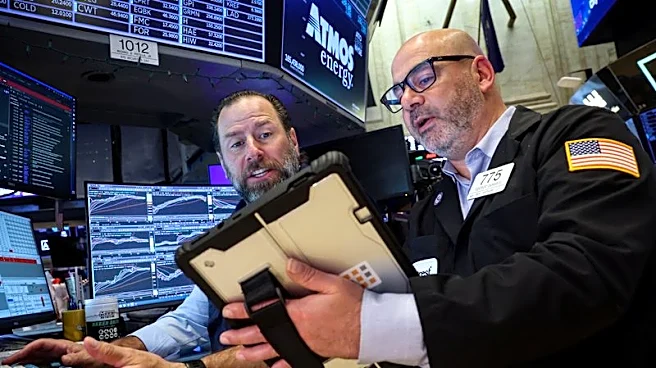
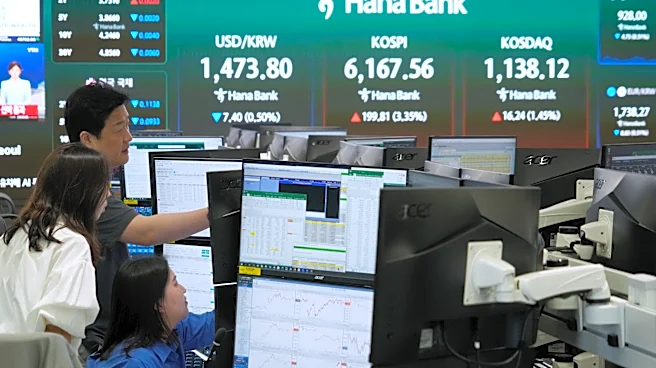
The U.S. stock market has demonstrated resilience despite ongoing geopolitical tensions, particularly the conflict involving Iran. The S&P 500 has closed near an all-time high, with a 9.8% increase over
the past 10 sessions, marking a rapid recovery not seen since the post-COVID bounce-back in April 2020. This comes amid a fragile ceasefire with Iran, which has affected global oil supplies due to the strategic Strait of Hormuz. U.S. energy commodities have seen a significant price increase, with gasoline prices contributing to a 21.3% rise in the latest consumer price index report. Despite these challenges, investors have shown an unusual acceptance of volatility, with market strategists noting the resilience of the market in the face of various geopolitical and economic disruptions.
Why It's Important?
The stock market's ability to maintain stability and even thrive amid geopolitical tensions is significant for several reasons. It reflects investor confidence in the market's long-term prospects despite short-term disruptions. The resilience of the market can have positive implications for the U.S. economy, as it suggests that investors are willing to look beyond immediate geopolitical risks. This confidence can lead to sustained investment and economic growth. However, the ongoing conflict with Iran and its impact on global oil supplies remain a concern, as they could lead to further economic volatility if not resolved. The situation underscores the interconnectedness of global markets and the potential for geopolitical events to influence economic conditions worldwide.
What's Next?
The future of the stock market will likely depend on the resolution of the Iran conflict and its impact on global oil supplies. Investors and market analysts will be closely watching for any developments in peace talks and potential agreements that could stabilize the region. A successful resolution could lead to a decrease in oil prices and further market gains. Conversely, a prolonged conflict could exacerbate economic volatility and impact investor sentiment. Additionally, the market will continue to navigate other geopolitical and economic challenges, such as trade tensions and domestic policy changes, which could influence future market performance.