






What's Happening?
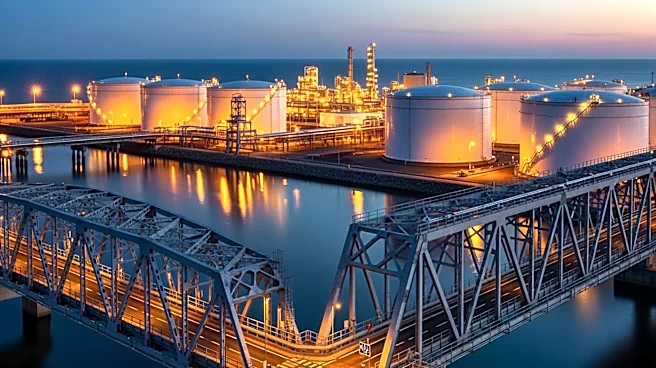
Louisiana is at the forefront of a significant resurgence in the global liquefied natural gas (LNG) market. A decade after the first LNG cargo left Sabine Pass, the state is experiencing a structural resurgence rather than a cyclical recovery. This resurgence is characterized
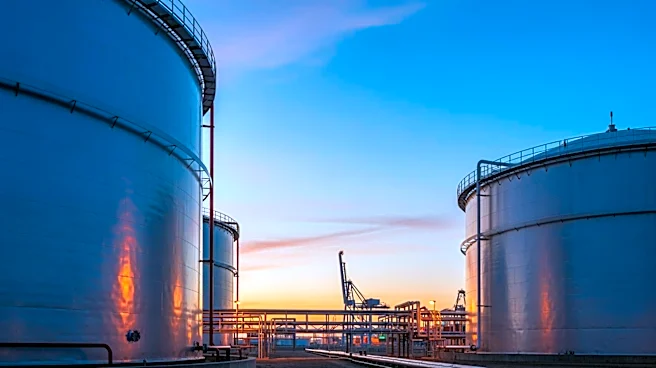
by a substantial increase in U.S. LNG export capacity, which is expected to grow from approximately 18 billion cubic feet per day (Bcf/d) to nearly 29 Bcf/d by the end of the decade. Louisiana, handling over 60% of U.S. LNG shipments, is central to this growth. The state's LNG industry is becoming a core pillar of the global energy system, driven by factors such as Europe's need for reliable gas supplies post-Russia-Ukraine conflict, Asia's steady demand growth, and Middle East instability. New projects, like Venture Global's Plaquemines LNG facility and Woodside's $17.5 billion investment, are expanding export capacities, reinforcing Louisiana's role as a critical stabilizer in global markets.
Why It's Important?
The resurgence of Louisiana's LNG industry has significant implications for global energy markets. As a major exporter, the U.S., with Louisiana as a hub, is positioned to influence global pricing, energy security, and supply flows. This shift elevates LNG from a transitional bridge fuel to a strategic commodity essential for energy security. The influx of large-scale investments and long-term offtake agreements underscores the industry's growing importance. However, this growth also raises concerns about environmental impacts, domestic energy costs, and emissions. Despite these challenges, the flexibility and scalability of Louisiana's LNG supply make it a vital component in absorbing market shocks and ensuring energy stability worldwide.
What's Next?
As Louisiana continues to expand its LNG export capacity, the state is likely to see increased scrutiny regarding environmental impacts and domestic energy prices. Stakeholders, including environmental groups and policymakers, may push for stricter regulations to address emissions and local environmental concerns. Additionally, the integration of upstream production with downstream export capacity will likely continue, as global players seek to secure LNG-linked supply chains. The ongoing geopolitical tensions and demand fluctuations will further solidify Louisiana's role as a key player in the global energy landscape, potentially leading to more strategic partnerships and investments.
Beyond the Headlines
The transformation of Louisiana's LNG industry highlights broader shifts in the global energy landscape. As LNG becomes a strategic commodity, it intersects with issues of energy security, geopolitics, and long-term demand. The state's ability to provide flexible, scalable energy supply positions it as a critical player in mitigating supply disruptions. This development also reflects a broader trend of energy markets adapting to new geopolitical realities and environmental challenges. The long-term implications of this shift could redefine global energy dynamics, with Louisiana at the center of these changes.