
What's Happening?
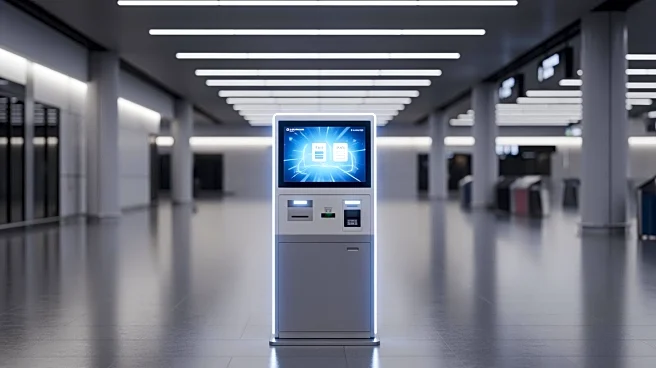
Uber Technologies Inc. has announced the rollout of physical kiosks at major airports, starting with LaGuardia's Terminal C in New York. These kiosks are designed to allow users to order rides without
using the Uber app, catering particularly to international visitors who may not have a local data plan or those who prefer an in-person experience. The kiosks feature a large touch screen, a credit card reader, and a receipt printer, providing a booking experience similar to the mobile app. Uber plans to expand these installations to hotels, ports, and other international airports in the coming months. The company will own and maintain the kiosks initially, with potential changes to the operational model as the product scales.
Why It's Important?
This development is significant as it represents Uber's strategy to broaden its customer base and enhance user convenience. By providing an alternative to the app, Uber aims to attract international travelers and those less comfortable with digital transactions. This move could potentially increase Uber's market share in the ride-hailing industry, especially among demographics that are less tech-savvy or have limited access to mobile data. Additionally, the introduction of kiosks could help Uber tap into new revenue streams and partnerships with venues hosting these kiosks, thereby diversifying its business model.
What's Next?
Uber's expansion of kiosks to more locations could lead to increased adoption of its services among travelers. The company is exploring various commercial models for kiosk placement, which may involve partnerships with airports and other venues. As the kiosks become more widespread, Uber may adjust its operational strategies based on user feedback and market demand. The success of this initiative could influence other ride-hailing companies to adopt similar strategies, potentially reshaping the landscape of the industry.