


What's Happening?
Matthew Wolff, a renowned designer, discusses the cultural significance and design inspiration behind iconic World Cup shirts. Wolff, known for his work on Nigeria's 2018 World Cup kit and France's winning outfits, emphasizes the importance of historical
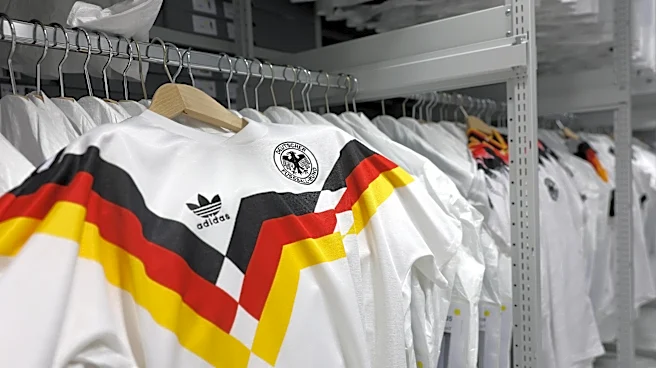
references and cultural moments in creating memorable sports apparel. He highlights how certain kits, such as Mexico 1998 and USA 1994, have become timeless due to their association with significant football events and the emotions they evoke. Wolff's designs draw from past kits and aim to resonate with the cultural identity of the teams, making them iconic in the world of football.
Why It's Important?
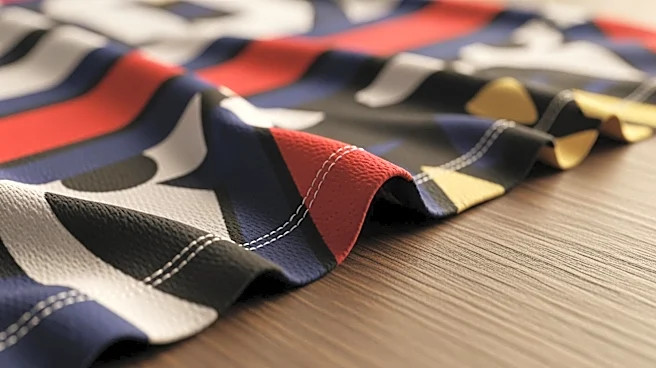
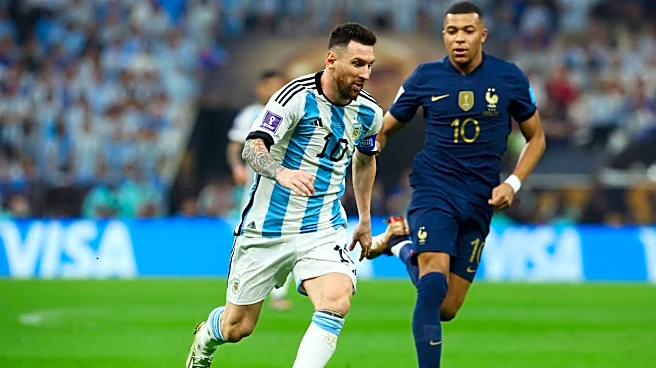
The design of World Cup shirts goes beyond aesthetics, serving as a cultural symbol and a representation of national identity. These kits often become part of the collective memory of fans, embodying the spirit of the tournament and the achievements of the teams. By incorporating historical elements and cultural references, designers like Wolff contribute to the legacy of the sport, creating apparel that fans cherish and remember. This approach not only enhances the visual appeal of the kits but also strengthens the connection between the team and its supporters, fostering a sense of pride and unity.