




What's Happening?
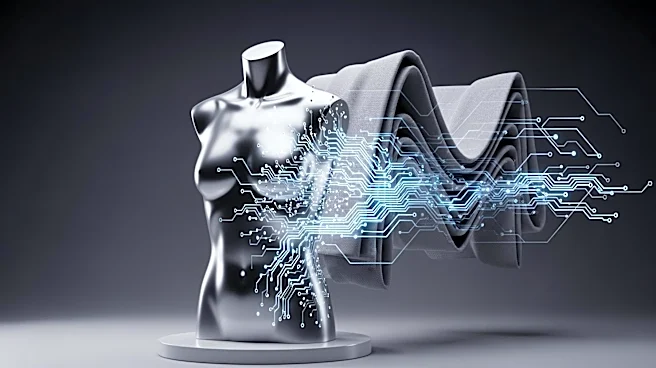
The fashion industry is undergoing significant changes as it increasingly integrates artificial intelligence (AI) into its operations and faces media consolidation. AI is being used to automate fashion photography and production, reducing costs and time
while impacting traditional roles such as photographers and stylists. This shift is part of a broader trend where fashion brands are adopting technology to replace human production with AI-generated assets. Concurrently, the media landscape is consolidating, with major players like Condé Nast streamlining operations and closing several international editions. This consolidation reflects a focus on digital audience development and revenue generation, impacting editorial roles that do not directly contribute to these goals. The success of 'The Devil Wears Prada 2' at the box office highlights a nostalgia for the fashion industry's past, even as it faces a future shaped by technology and economic pressures.
Why It's Important?
The integration of AI in the fashion industry represents a significant shift in how fashion brands operate, potentially leading to job losses in traditional roles while creating new opportunities in AI direction and creative technology. This transformation is crucial for the industry's sustainability as it seeks to balance cost efficiency with creative output. The media consolidation within the fashion sector underscores the importance of digital strategy and audience engagement, as companies prioritize roles that drive revenue and growth. These changes reflect broader economic trends where industries are leveraging technology to remain competitive, impacting employment patterns and skill requirements. The nostalgia-driven success of 'The Devil Wears Prada 2' suggests a cultural longing for the fashion industry's past, even as it adapts to new realities.
What's Next?
As AI continues to be integrated into fashion production, there will likely be an increased demand for professionals skilled in AI management and creative technology. Fashion brands may continue to explore AI's potential to enhance efficiency and innovation. In the media sector, further consolidation could occur as companies streamline operations to focus on digital growth and profitability. This may lead to more job cuts in traditional editorial roles, with a shift towards positions that support digital content and audience engagement. The regulatory landscape may also evolve, with potential new laws addressing AI's impact on creative industries and worker rights, particularly concerning the use of digital likenesses and intellectual property.
Beyond the Headlines
The fashion industry's transformation raises ethical and cultural questions about the role of technology in creative fields. The use of AI in fashion production challenges traditional notions of creativity and craftsmanship, prompting discussions about the value of human input versus technological efficiency. The consolidation of media companies highlights the tension between commercial interests and editorial integrity, as content increasingly serves revenue goals. These developments may influence cultural perceptions of fashion and media, as well as the industry's ability to adapt to changing consumer preferences and technological advancements.