






What's Happening?
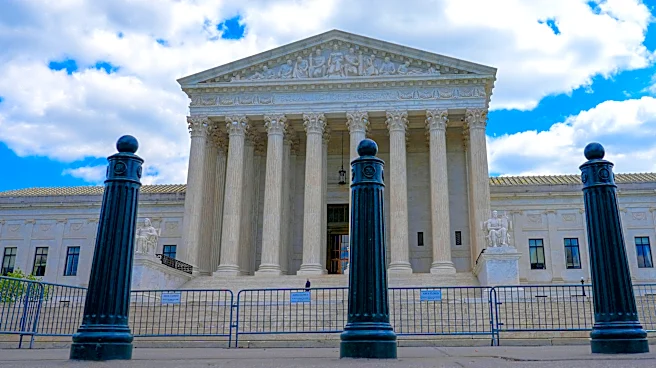
The Supreme Court has ruled that freight brokers can be held liable for negligent hiring practices, a decision that extends the risk of liability nationwide. This ruling stems from interpretations of the Federal Aviation Administration Authorization Act
(FAAA), which previously varied across state courts. The decision is expected to impact market dynamics within the for-hire trucking industry, as brokers were already exposed to such risks in certain states. The ruling may incentivize third-party logistics providers to favor larger, established fleets over smaller carriers, potentially affecting the latter's market opportunities. Insurance costs for brokers may also rise as a result of this decision. C.H. Robinson, a major player in the industry, expressed disappointment with the ruling but emphasized their commitment to safe and reliable transportation.
Why It's Important?
This Supreme Court decision is significant as it standardizes the liability risk for freight brokers across the United States, potentially reshaping the trucking industry's landscape. By holding brokers accountable for negligent hiring, the ruling could lead to increased operational costs and influence the selection of carriers, favoring larger fleets. This may disadvantage smaller carriers, who could find it more challenging to secure contracts. The decision also underscores the importance of robust hiring practices and compliance with safety regulations, which could enhance overall industry safety standards. However, the increased liability risk might lead to higher insurance premiums, affecting the financial stability of brokers and possibly leading to higher costs for consumers.
What's Next?
In response to the ruling, freight brokers may need to reassess their hiring practices and liability management strategies to mitigate risks. This could involve strengthening partnerships with larger carriers and enhancing compliance measures. The industry might also see a push for legislative or regulatory changes to address the implications of the ruling. Stakeholders, including brokers, carriers, and insurers, will likely engage in discussions to navigate the new legal landscape. Additionally, the decision may prompt further legal challenges or clarifications regarding the extent of broker liability, influencing future court interpretations and industry practices.