







What's Happening?
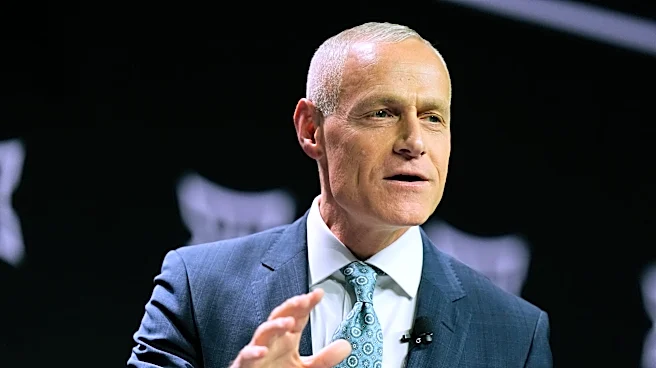
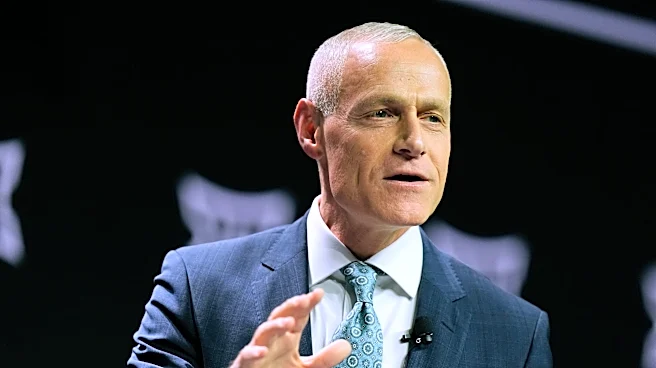
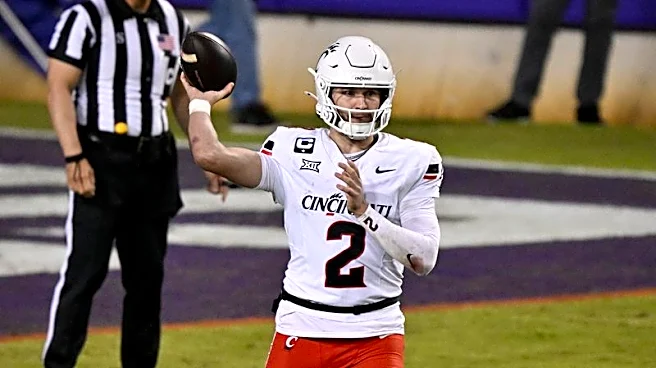
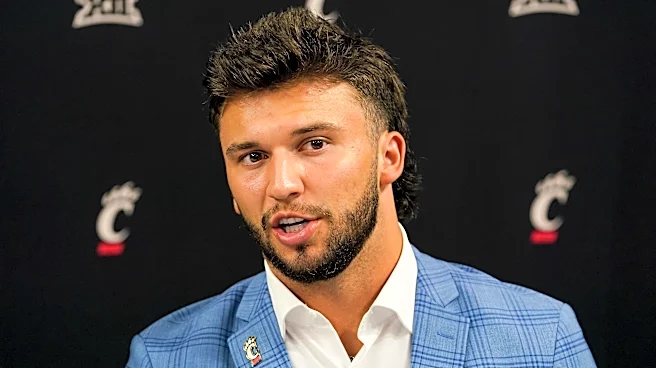
Brendan Sorsby, a quarterback, has been at the center of a legal dispute involving the NCAA and the Big 12 conference. His attorney, Jeffrey Kessler, has issued a warning to the Big 12, emphasizing the need to comply with a court order that reinstates
Sorsby's eligibility to play. The legal battle began when Sorsby filed claims against the NCAA for breach of contract and other violations, arguing that the NCAA failed to adhere to its own bylaws and procedures. A court in Tarrant County reviewed the case and ruled in favor of Sorsby, granting him the right to play. Kessler's letter to the Big 12 highlights the potential legal consequences if the conference attempts to circumvent the court's decision, including sanctions against Texas Tech, where Sorsby plays. The letter warns that any actions taken by the Big 12 to prevent Sorsby from participating in the upcoming football season would be considered contempt of court.
Why It's Important?
This case underscores the ongoing tensions between collegiate athletes, universities, and governing bodies like the NCAA. The outcome of this legal battle could have significant implications for how eligibility disputes are handled in the future, potentially affecting the rights of student-athletes across the country. The Big 12's response to the court order will be closely watched, as it could set a precedent for how conferences handle similar situations. Additionally, the case highlights the growing influence of legal actions in collegiate sports, particularly concerning athletes' rights and contractual agreements. The decision could impact not only Sorsby's career but also the operations of the Big 12 and its member schools, influencing their approach to compliance with legal rulings.
What's Next?
The Big 12 must decide how to proceed in light of the court order. Any attempt to penalize Texas Tech or prevent Sorsby from playing could lead to further legal challenges and financial liabilities. The conference's actions will be scrutinized by legal experts, sports organizations, and the public. If the Big 12 complies with the court order, it may need to reassess its policies and procedures to prevent similar disputes in the future. Conversely, if it chooses to challenge the ruling, it could face significant legal and reputational risks. The situation also raises questions about the NCAA's role and its ability to enforce its rules without overstepping legal boundaries.