





What's Happening?
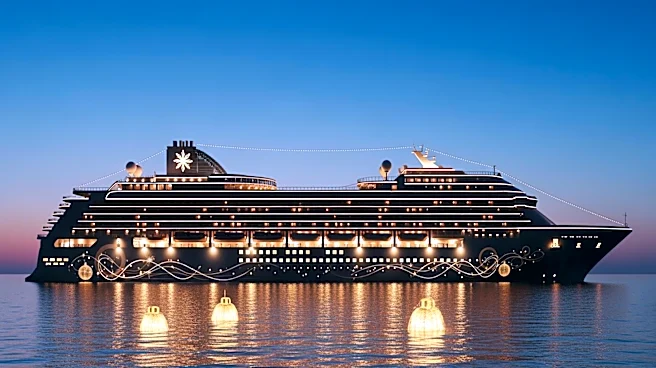
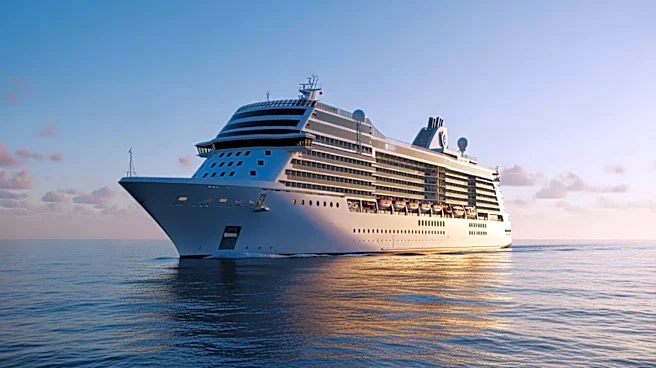
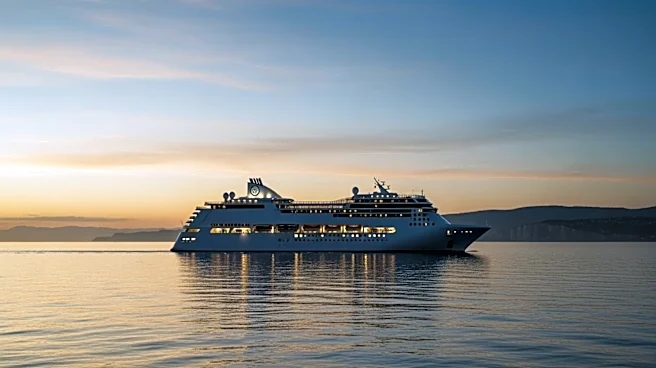
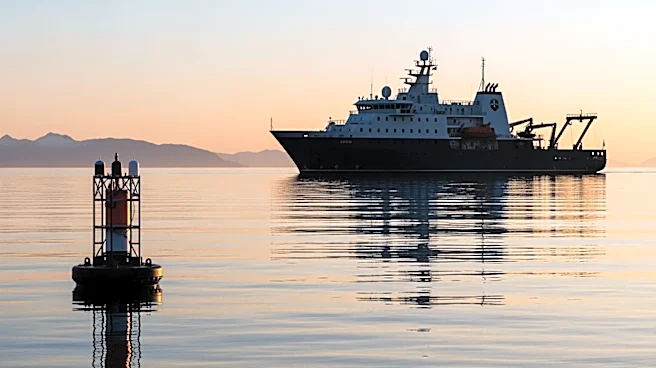
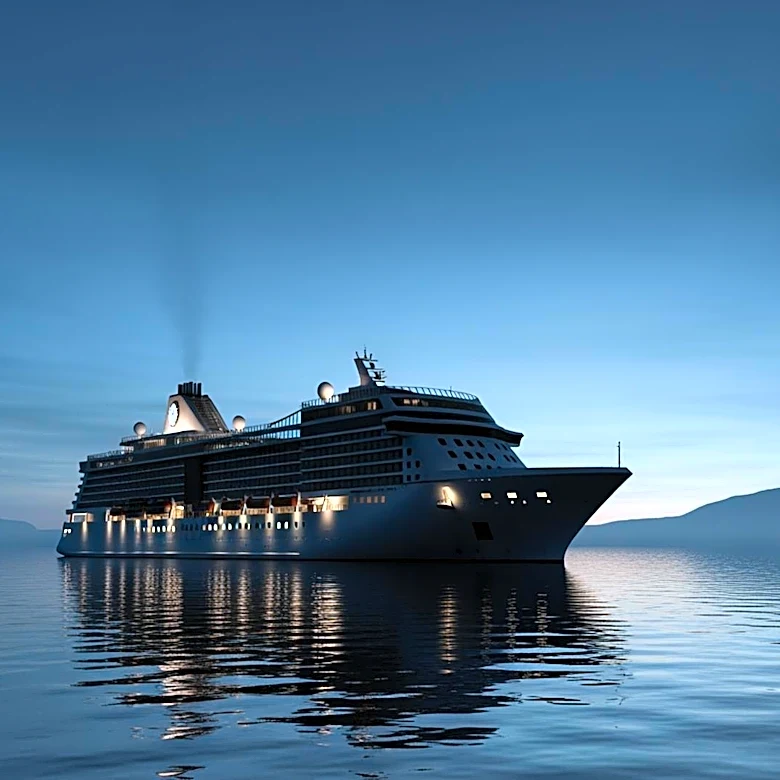
MSC Cruises is pioneering a new approach to cruise operations in Alaska by integrating marine science into its navigation practices. The company has partnered with marine conservation organization ORCA to place a Marine Mammal Observer (MMO) on board
the MSC Poesia during its Alaska season in 2026. This initiative aims to protect marine life, particularly whales, by using real-time data to inform navigation decisions. The MMO will work with the ship's bridge officers to identify whales and support whale-avoidance training. Additionally, passengers will be engaged through educational sessions about marine biodiversity and responsible cruise operations. This effort is part of MSC Cruises' broader strategy to lead in marine conservation and set higher operational standards.
Why It's Important?
The integration of marine science into cruise operations represents a significant step towards sustainable tourism. By prioritizing environmental protection, MSC Cruises is addressing the growing demand for responsible tourism that minimizes the impact on wildlife. This initiative not only helps protect marine ecosystems but also enhances the travel experience by educating passengers about conservation efforts. The data collected will contribute to global marine conservation policies and could influence industry standards. As cruise lines face increasing scrutiny over their environmental impact, MSC Cruises' approach could set a precedent for others, potentially leading to widespread adoption of similar practices across the industry.
What's Next?
MSC Cruises plans to continue its Alaska operations with a second season already on sale for 2027. The data collected during the 2026 season will be analyzed to refine training and navigation protocols, potentially serving as a model for other wildlife-rich regions. The findings will be shared with the scientific community and could inform future marine conservation policies. As the cruise industry evolves, there is potential for increased collaboration between cruise lines and conservation organizations, leading to more sustainable practices. This initiative could also influence regulatory frameworks, encouraging other companies to adopt similar conservation-focused strategies.