
What's Happening?
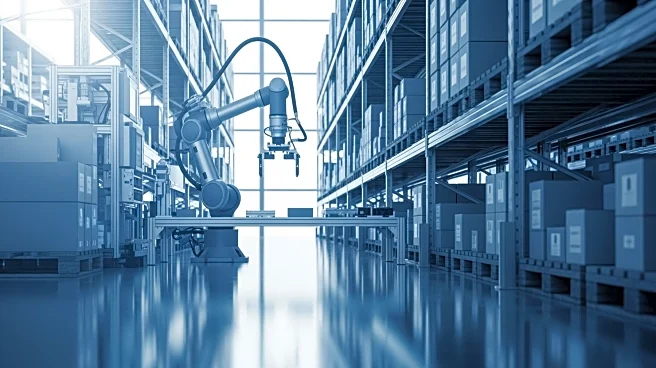
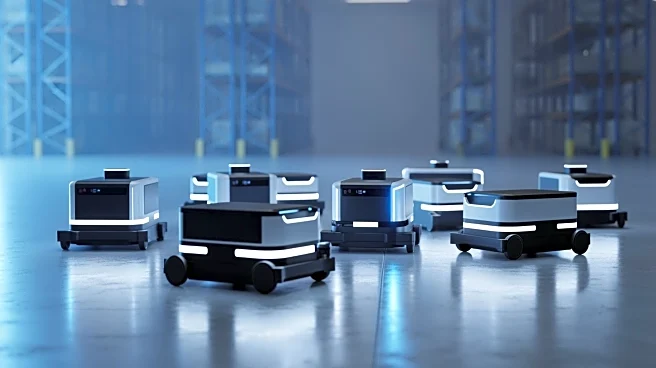
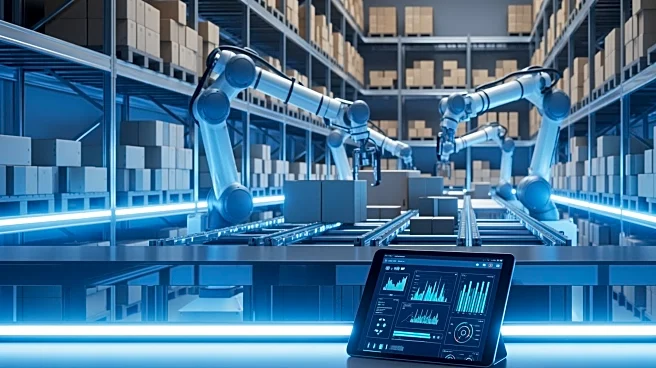
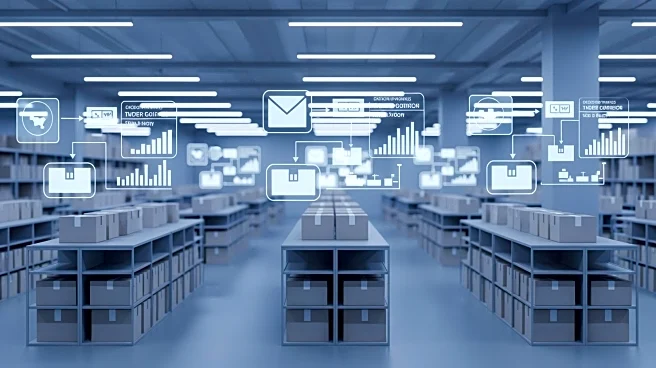
In the current landscape of warehouse operations, automation technologies such as automated storage and retrieval systems, autonomous mobile robots, and conveyors are becoming integral. However, the success of these technologies is heavily dependent on the workforce's
ability to operate and maintain them. Many organizations are finding that the gap in performance is not due to the technology itself but rather the readiness of the workforce to support it. As labor shortages and economic uncertainties persist, companies are investing in upskilling and cross-training programs to build a workforce that can work alongside these technologies. The goal is to create adaptable operators who can stabilize performance across varying conditions, rather than narrow specialists.
Why It's Important?
The importance of workforce readiness in automated warehouses cannot be overstated. Unplanned automation downtime often surpasses the labor savings that justified the initial investment in technology. This highlights the critical role of a skilled workforce in ensuring the return on investment (ROI) from automation. As the labor market remains volatile, with tight recruiting conditions and seasonal demand fluctuations, the ability to maintain consistent throughput becomes a significant challenge. Organizations that focus on workforce development are better positioned to absorb disruptions and maintain operational stability. This approach not only protects throughput but also extends the life of technological assets by reducing unplanned downtime.
What's Next?
As automation continues to expand in warehouse networks, the focus will likely remain on integrating workforce development with technological advancements. Companies may increasingly adopt flexible workforce models, including scalable technical coverage and mobile support capabilities, to enhance their resilience. Additionally, strategic outsourcing of peak-related labor or specialized maintenance activities could become more common, allowing internal teams to focus on higher-value tasks. Proactive maintenance and early warning systems will also play a crucial role in optimizing system performance and preventing costly downtimes. Organizations that treat workforce readiness as a strategic initiative will be better equipped to handle future disruptions and sustain performance.