





What's Happening?
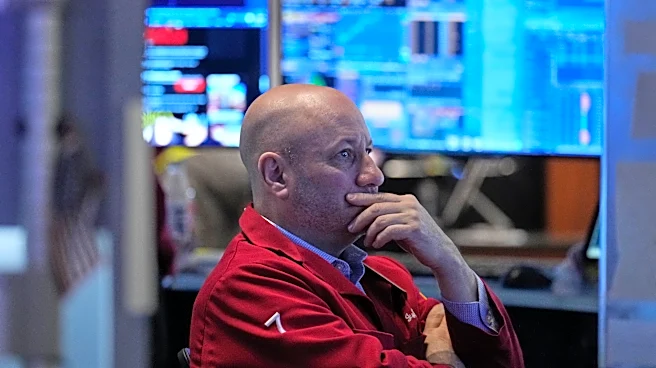
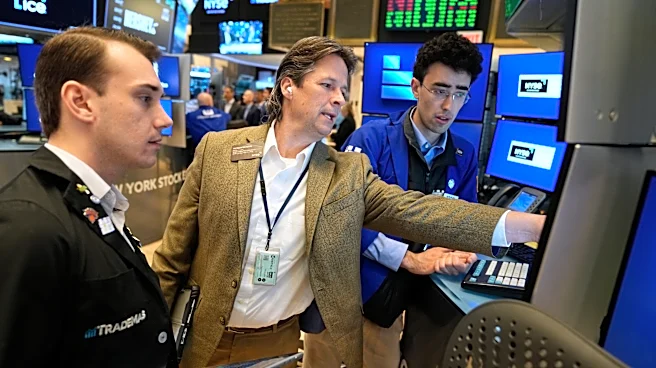
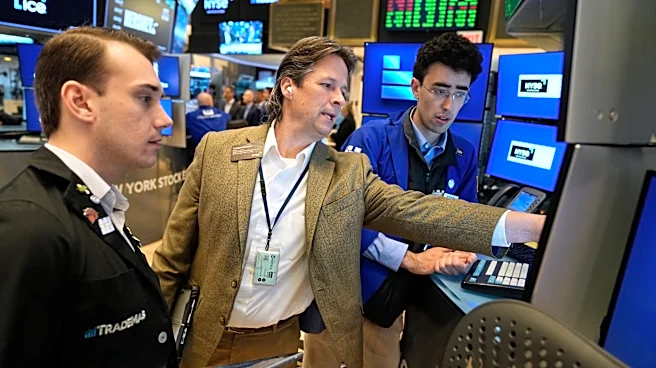
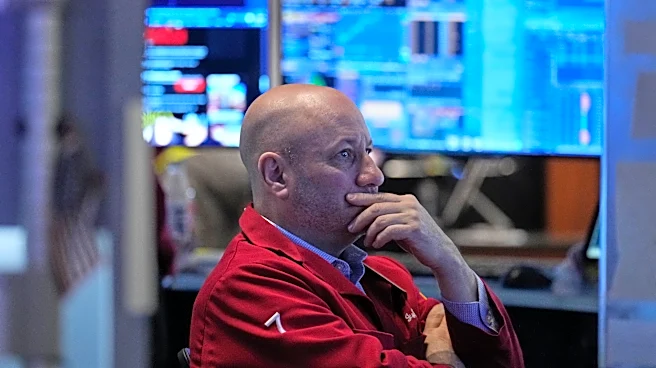
The US stock market experienced a significant rally following President Trump's announcement of a two-week ceasefire with Iran. The Dow Jones Industrial Average surged by over 1,300 points, while the S&P 500 and Nasdaq 100 saw increases of 2% and over 3%,
respectively. This market reaction comes as investors express relief over the de-escalation of tensions in the Middle East, which had previously driven up oil prices and inflation concerns. The ceasefire agreement includes the reopening of the Strait of Hormuz, a critical passage for global oil shipments, leading to a sharp decline in oil prices. Brent crude fell by 13% to $93 per barrel, and West Texas Intermediate crude dropped by 18% to $91 per barrel.
Why It's Important?
The ceasefire between the US and Iran has alleviated fears of prolonged conflict, which could have further strained global oil supplies and exacerbated inflation. The stock market's positive response indicates investor confidence in a more stable economic outlook, reducing the likelihood of a recession. The decline in oil prices is expected to ease inflationary pressures, potentially influencing the Federal Reserve's monetary policy decisions. This development underscores the interconnectedness of geopolitical events and financial markets, highlighting the importance of diplomatic resolutions in maintaining economic stability.
What's Next?
The two-week ceasefire provides a window for diplomatic negotiations between the US and Iran, which could lead to a more permanent resolution. Investors will closely monitor these talks, as their outcome could significantly impact global markets. Additionally, the Federal Reserve may adjust its interest rate policies in response to changing inflation expectations. The reopening of the Strait of Hormuz will be crucial for maintaining stable oil prices, and any disruptions could reignite market volatility.