






What's Happening?
The self-storage industry is experiencing a significant transformation, evolving from a niche market into a mainstream, institutional-grade asset class. This shift was highlighted during a roundtable discussion hosted by Martin's Properties and CoStar
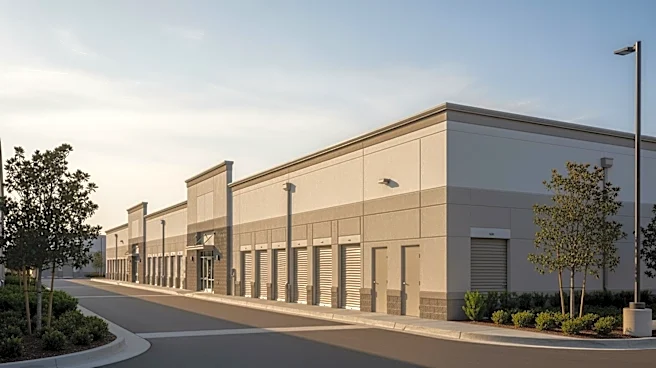
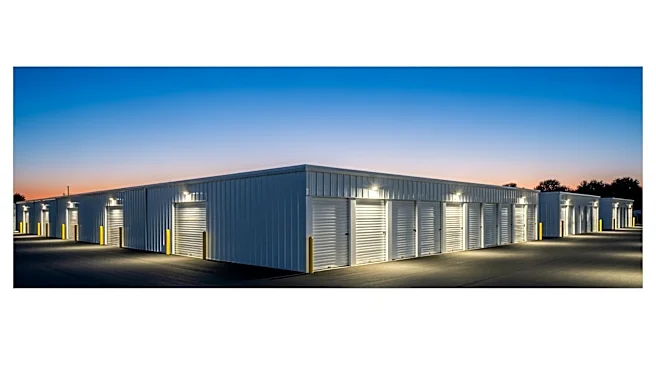
News, where industry leaders discussed the sector's growth and resilience. The self-storage market has attracted substantial institutional investment due to its strong rental growth, supply-demand imbalance, and resilient cash flows. The sector's ability to scale quickly without significant capital resources makes it attractive to investors. Additionally, the pandemic has accelerated the sector's growth, revealing its robustness compared to other asset classes. The industry is also seeing diversification in formats, with urban micro-stores and large megastores emerging, alongside technological advancements that enhance operational efficiency.
Why It's Important?
The rise of self-storage as an institutional-grade asset class has significant implications for the real estate market and investors. As traditional real estate allocations shrink, investors are seeking diversification, and self-storage offers a compelling opportunity with its defensive cash flows and growth potential. The sector's expansion is supported by changing consumer demographics, with more people living flexibly and running businesses from storage units. This trend is likely to continue, driven by the increasing need for personal and business storage solutions. The sector's growth also highlights the importance of technology in enhancing operational efficiency and customer experience, positioning self-storage as a key component of modern infrastructure.
What's Next?
The self-storage sector is poised for continued expansion and diversification, with global capital entering the market and new formats emerging. As operators innovate with technology and service, demand is expected to remain strong and increasingly diverse. The sector's growth will likely be defined by better data, design, and a deeper understanding of modern customer needs. However, challenges such as planning constraints and competition in certain markets may impact growth. The sector's ability to adapt to these challenges and leverage technology will be crucial in maintaining its momentum and attracting further investment.
Beyond the Headlines
The transformation of self-storage into a mainstream asset class reflects broader trends in real estate and consumer behavior. The sector's growth underscores the increasing importance of flexible living and working arrangements, as well as the role of technology in shaping modern infrastructure. As self-storage becomes more integrated into urban environments, it may also influence urban planning and development strategies. The sector's focus on sustainability and efficiency could set new standards for other real estate asset classes, highlighting the potential for self-storage to drive innovation and change in the industry.