


What's Happening?
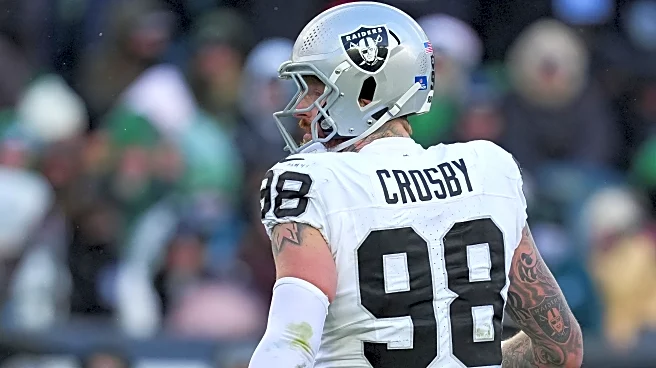
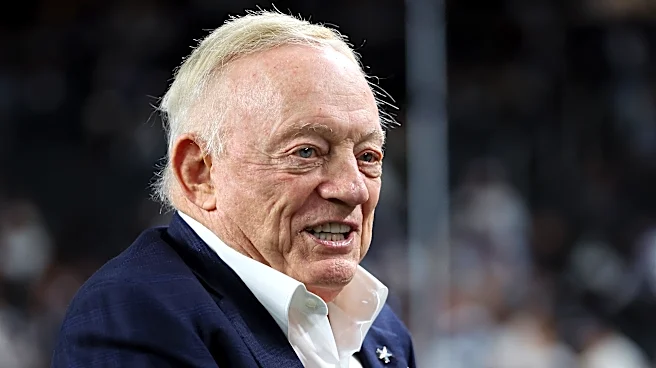
The Dallas Cowboys, led by owner Jerry Jones, attempted to acquire edge rusher Maxx Crosby from the Las Vegas Raiders, making three offers. However, the Raiders agreed to trade Crosby to the Baltimore Ravens for two first-round draft picks. The deal fell
through after Crosby failed a physical due to concerns about a degenerative knee issue. The Ravens faced criticism for backing out of the agreement, but Jones defended their decision, emphasizing the necessity of passing a physical before finalizing any trade. The Cowboys had also consulted Dr. Dan Cooper, their team physician, regarding Crosby's condition. Despite the failed trade, Crosby is expected to continue playing for the Raiders.
Why It's Important?
This incident highlights the critical role of medical evaluations in professional sports transactions. The Ravens' decision to withdraw from the trade underscores the importance of player health in long-term team strategy and investment. For the Cowboys, the situation reflects the complexities of negotiating high-stakes trades in the NFL, where player health can significantly impact team dynamics and future performance. The outcome also affects the Raiders, who retain Crosby, potentially impacting their defensive strategy. This scenario illustrates the broader implications of health assessments on team decisions and player careers in the NFL.
What's Next?
While Jerry Jones has not ruled out future interest in Crosby, he indicated that the Cowboys are not currently pursuing the trade. The situation may prompt other teams to reassess their trade strategies and the weight given to medical evaluations. The Ravens' decision could lead to discussions within the NFL about the transparency and standards of physical assessments. For Crosby, maintaining his health will be crucial as he continues with the Raiders, potentially affecting his market value and career trajectory.