
What's Happening?
The Doha Film Institute (DFI) has announced the selection of 49 projects for the 2026 edition of its annual Qumra meeting, which will be held online due to the ongoing U.S.-Israel-Iran war. The event, originally planned to take place in Doha, will now
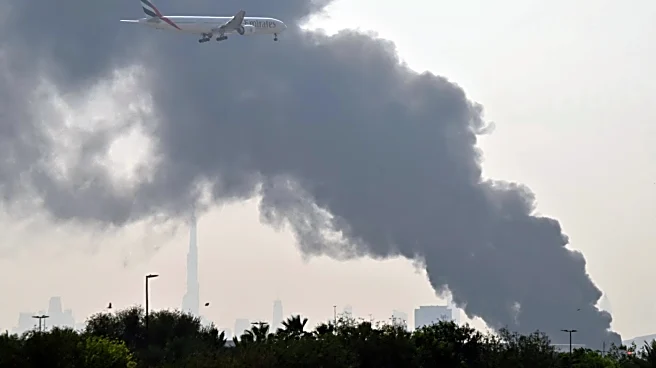
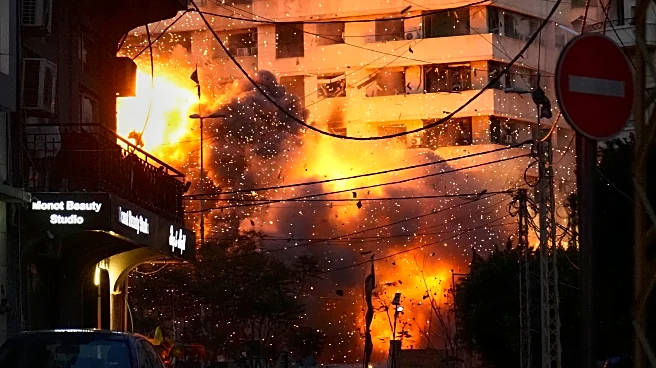
run virtually from March 27 to April 8. This year's selection includes 27 feature films, nine series, and 13 shorts, with projects spanning various countries and themes. Notable projects include 'Madness and Honey Days' by Ahmed Yassin Al-Daradji and 'Revolutionaries Never Die' by Mohanad Yaqubi. The decision to move the event online was made in response to the regional conflict, which has seen Iran launch missile and drone strikes on Gulf neighbors. Despite the challenges, DFI CEO Fatma Hassan Alremaihi emphasized Qatar's commitment to supporting filmmakers through mentorship and networking opportunities.
Why It's Important?
The shift to a virtual format for Qumra 2026 highlights the resilience of cultural institutions in the face of geopolitical instability. The event serves as a crucial platform for filmmakers from the Middle East and North Africa, providing them with opportunities for international exposure and collaboration. By continuing to support these projects, the Doha Film Institute is fostering cultural exchange and promoting diverse narratives that might otherwise be marginalized. The decision also underscores the impact of regional conflicts on cultural events, as safety concerns necessitate adaptations to traditional formats. This move could influence how similar events are conducted in conflict-prone areas, potentially leading to more hybrid or virtual models in the future.
What's Next?
As the virtual Qumra 2026 unfolds, participating filmmakers will engage in online mentorship sessions and networking opportunities. The success of this format could set a precedent for future editions, especially if regional instability persists. Stakeholders, including filmmakers and cultural organizations, may advocate for more robust digital infrastructures to support such events. Additionally, the ongoing conflict may prompt further discussions on the role of cultural diplomacy in mitigating tensions and fostering understanding across borders. The outcomes of this year's Qumra could influence how other international film festivals adapt to similar challenges, potentially leading to more inclusive and accessible platforms for filmmakers worldwide.