



What's Happening?
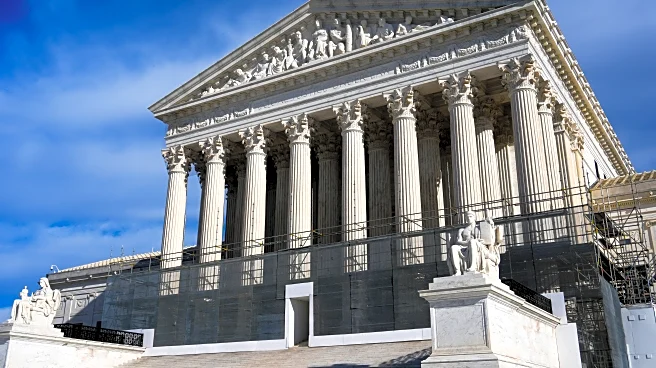
The Environmental Protection Agency (EPA) officials met with Bayer CEO Bill Anderson and other executives to discuss litigation issues, including a Supreme Court case concerning Bayer's glyphosate-based herbicides. This meeting occurred as Bayer faced
numerous lawsuits alleging that its products, such as Roundup, caused cancer. Bayer's strategy involves convincing the Supreme Court that if the EPA does not mandate a cancer warning on glyphosate products, the company should not be held liable for failing to warn users. The litigation has already cost Bayer billions in settlements and jury awards.
Why It's Important?
The outcome of this Supreme Court case could have significant implications for Bayer and the agricultural industry. A decision in Bayer's favor might limit the liability of companies regarding product warnings, potentially affecting consumer safety standards. Conversely, a ruling against Bayer could reinforce the necessity for companies to provide comprehensive warnings, impacting how businesses manage product risks. This case also highlights the ongoing debate over the safety of glyphosate, a widely used herbicide, and its regulatory oversight.
What's Next?
The Supreme Court's decision will be pivotal in determining the future of glyphosate litigation and could influence regulatory practices for chemical products. Stakeholders, including environmental groups and agricultural businesses, are likely to respond based on the ruling's implications for public health and industry practices. The EPA's role and its regulatory decisions may also come under scrutiny, potentially leading to policy changes.