



What's Happening?
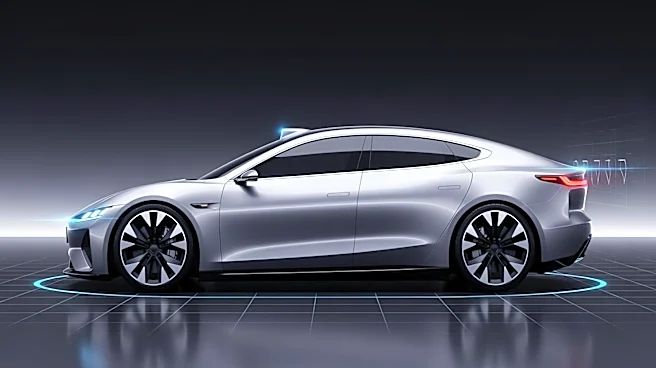
The Tesla Model Y L, a larger version of the Model Y, is facing intense competition in China's rapidly evolving electric vehicle (EV) market. While the Model Y L offers features like a third row and 'Intelligent Assisted Driving,' it is being outclassed
by newer models from Chinese automakers such as XPENG and BYD. These competitors offer vehicles with more advanced technology, faster charging capabilities, and greater interior space at competitive prices. The XPENG GX, for example, features steer-by-wire technology, a spacious interior, and faster charging on an 800V platform. Meanwhile, BYD's new models offer luxury features and rapid charging at a lower price point than the Model Y L.
Why It's Important?
The competition in China's EV market highlights the challenges Tesla faces in maintaining its market position. As Chinese automakers continue to innovate and offer more advanced and affordable options, Tesla's appeal may diminish. This shift could impact Tesla's sales and market share in China, one of the largest EV markets globally. The situation underscores the importance of continuous innovation and adaptation in the automotive industry, particularly in markets where consumer preferences and technology are rapidly evolving.
What's Next?
Tesla may need to accelerate its innovation and diversify its lineup to remain competitive in China. The company could consider updating its technology and design to better meet the expectations of Chinese consumers. Additionally, Tesla might explore partnerships or collaborations with local companies to enhance its offerings. As the EV market in China continues to grow, Tesla will need to address these challenges to maintain its relevance and market share.
Beyond the Headlines
The competition between Tesla and Chinese automakers reflects broader trends in the global automotive industry. As technology advances and consumer preferences shift, automakers must adapt to remain competitive. The situation also highlights the growing influence of Chinese automakers in the global market, as they continue to develop innovative and affordable EVs. This dynamic could lead to increased competition and collaboration between Western and Chinese automakers, shaping the future of the automotive industry.