



What's Happening?
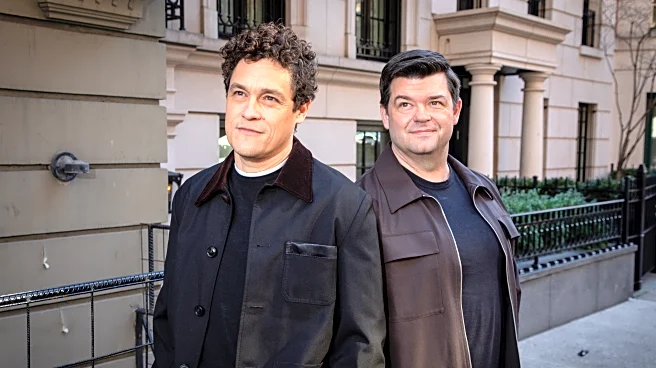
The film adaptation of Andy Weir's novel 'Project Hail Mary' has been released, directed by Phil Lord and Chris Miller. The story follows Ryland Grace, played by Ryan Gosling, a former molecular biologist turned teacher, who is tasked with saving Earth
from an astronomical threat. The film, which also stars Sandra Hüller and James Ortiz, combines elements of science fiction with human drama, exploring themes of isolation and survival in space. The adaptation remains faithful to the novel, capturing the essence of Weir's narrative and the protagonist's journey.
Why It's Important?
'Project Hail Mary' offers a cinematic exploration of humanity's resilience and ingenuity in the face of existential threats. The film's release comes at a time when audiences are increasingly drawn to stories that blend scientific exploration with emotional depth. By highlighting the protagonist's journey from a disgraced scientist to a reluctant hero, the film underscores the potential for redemption and the power of collaboration across species. This narrative can inspire viewers to consider the broader implications of scientific discovery and the importance of global cooperation.
What's Next?
As 'Project Hail Mary' hits theaters, it is likely to generate discussions about the adaptation process and the challenges of translating complex scientific concepts to the screen. The film's success could lead to further adaptations of Weir's work and similar science fiction stories, expanding the genre's reach and influence. Additionally, the film may prompt conversations about the role of science in addressing global challenges and the ethical considerations of space exploration.