



What's Happening?
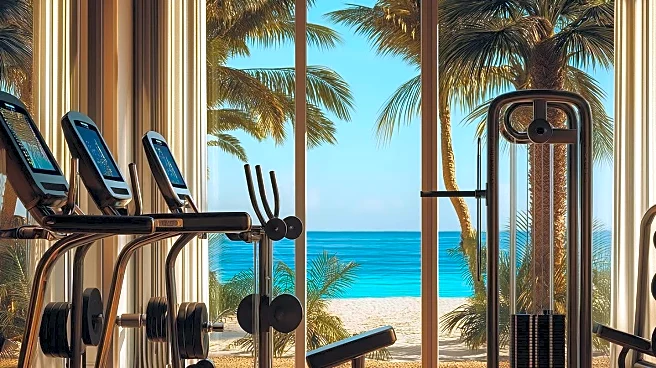
The wellness industry is increasingly integrating its ethos into branded residences, as seen in projects like the Waldorf Astoria residences in Miami. These developments are designed to cater to health-conscious individuals who prioritize wellness in their
living environments. Features such as advanced air and water microfiltration systems, circadian-friendly lighting, and private mini spas are becoming standard. The trend is driven by a growing demand for living spaces that support mental and physical health, with amenities like hyperbaric chambers and in-house concierge doctors becoming more common. The global wellness economy is projected to grow significantly, reaching $9.8 trillion by 2029, fueled by the rise in chronic diseases and mental health issues.
Why It's Important?
This trend signifies a shift in consumer preferences towards health and wellness, impacting the real estate and hospitality industries. As wellness becomes a key differentiator, developers and brands are capitalizing on this demand by offering residences that integrate health-focused features. This not only enhances the appeal of these properties but also positions them as a premium offering in the luxury real estate market. The expansion of wellness into residential spaces reflects broader societal trends towards holistic health and sustainability, potentially influencing future urban planning and architectural design.
What's Next?
As the wellness trend continues to grow, more developers are likely to incorporate health-oriented features into their projects. This could lead to increased collaboration between wellness brands and real estate developers, resulting in innovative living spaces that prioritize health and sustainability. The success of these projects may encourage other sectors to explore similar integrations, further blurring the lines between lifestyle and wellness. Additionally, as consumer awareness of health and wellness increases, there may be a greater demand for transparency and quality in the amenities offered by these residences.
Beyond the Headlines
The integration of wellness into residential living raises questions about accessibility and affordability. While these developments cater to a luxury market, there is potential for similar concepts to be adapted for more affordable housing, promoting health and wellness across different socioeconomic groups. Furthermore, the emphasis on wellness in living spaces could lead to a reevaluation of traditional housing models, encouraging a more holistic approach to urban living that prioritizes environmental quality and personal well-being.