




What's Happening?
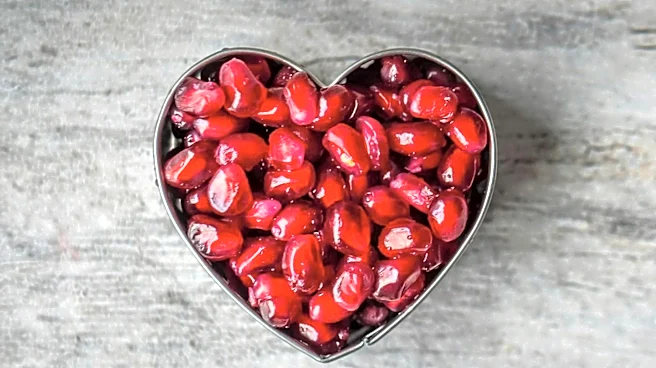
Researchers at Cardiff University have identified a compound, urolithin A, produced by gut bacteria from pomegranate polyphenols, that may protect against cardiovascular disease. The study, published in Antioxidants, suggests that urolithin A reduces
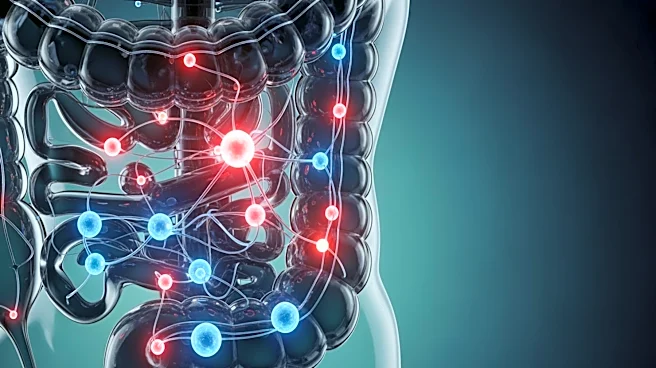
plaque buildup in arteries, eases inflammation, and stabilizes plaques, potentially preventing heart attacks and strokes. Pomegranates contain punicalagin, a polyphenol linked to heart health, but the body converts it into urolithins, which are more bioactive. The findings highlight the role of gut microbiota in metabolizing dietary compounds into beneficial molecules.
Why It's Important?
This research underscores the potential of dietary interventions in preventing cardiovascular diseases, which are leading causes of death globally. By focusing on the gut microbiome's role in metabolizing food compounds, the study opens new avenues for developing functional foods and supplements aimed at heart health. The findings could influence dietary recommendations and encourage the consumption of foods rich in polyphenols, like pomegranates, as part of a heart-healthy diet. Additionally, the study may inspire further research into the gut-heart axis and the development of microbiome-targeted therapies.