
What's Happening?
Airlines are increasingly relying on older aircraft due to production slowdowns and supply chain disruptions. United Airlines, for example, continues to operate Boeing 767s that were delivered in the early
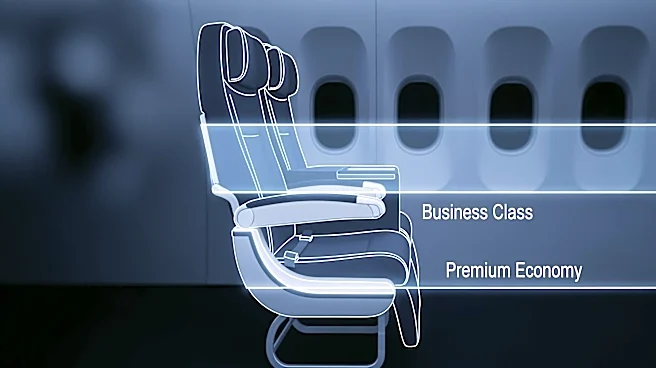
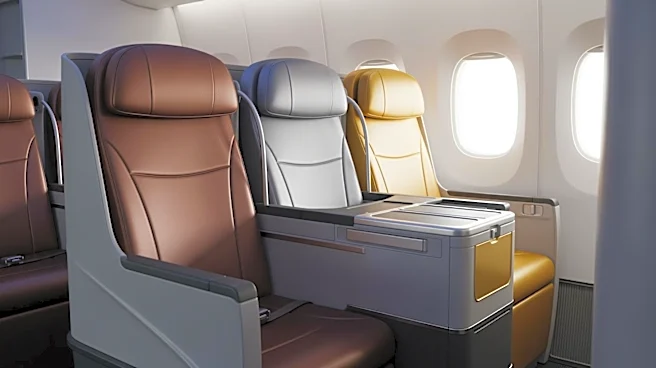
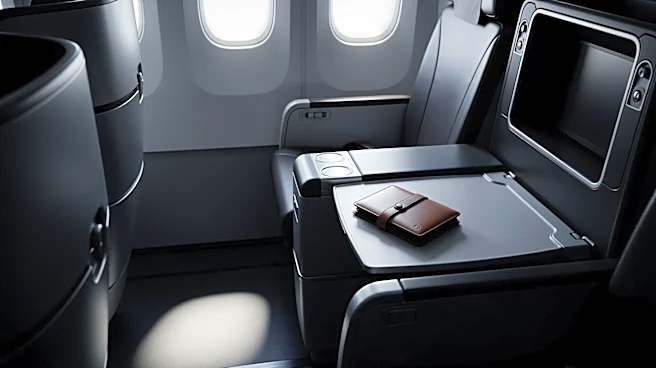
1990s. These planes, while older, have been updated with modern interiors to enhance passenger experience. The trend of using older planes is partly driven by the reduced availability of new aircraft, as manufacturers like Airbus and Boeing face production challenges. The average age of commercial aircraft is rising, with many planes remaining in service for over 20 years. Airlines are investing in maintenance and interior upgrades to keep these older models competitive.
Why It's Important?
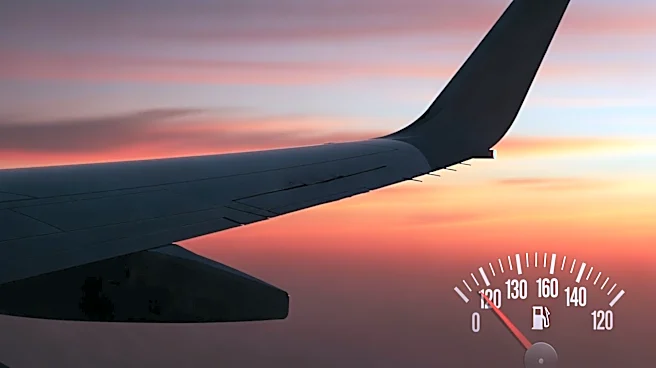
The reliance on older aircraft has significant implications for the aviation industry and passengers. While older planes can be cost-effective due to lower acquisition costs, they may not be as fuel-efficient as newer models, potentially leading to higher operational costs. This situation is exacerbated by rising fuel prices, which increase the financial burden on airlines. For passengers, the use of older planes may raise concerns about safety and comfort, although airlines are addressing these issues through regular maintenance and interior refurbishments. The trend also highlights the ongoing impact of the COVID-19 pandemic on the aviation sector, as supply chain disruptions continue to affect aircraft production.
What's Next?
As airlines continue to navigate these challenges, they may seek to balance the use of older aircraft with strategic investments in newer models as production stabilizes. The industry may also explore innovations in aircraft maintenance and fuel efficiency to mitigate the impact of rising operational costs. Additionally, airlines might advocate for policy measures to support the recovery of the aviation sector and address supply chain issues. Passengers can expect continued improvements in onboard experiences as airlines invest in cabin upgrades to maintain competitiveness.