






What's Happening?
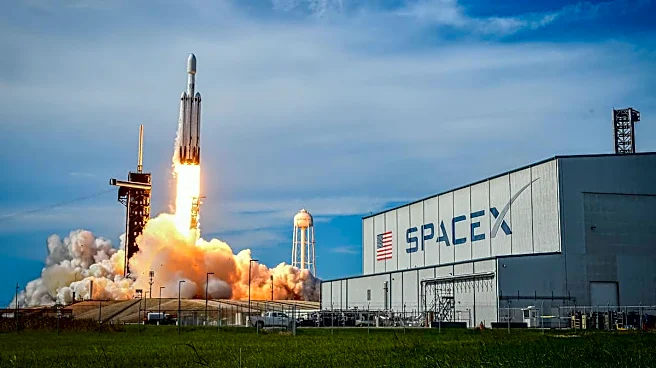
SpaceX's IPO is set to debut with a relatively small free float, raising concerns about potential stock volatility. The company plans to offer only about 4% of its shares to the public, significantly lower than the typical 80% for major index-traded companies.
This limited availability of shares could lead to increased price volatility, as even moderate buying or selling activity could result in large price movements. SpaceX's inclusion in the Nasdaq 100 index, facilitated by recent changes to entry rules, could further exacerbate volatility as index funds acquire shares, reducing the available supply for trading.
Why It's Important?
The limited free float of SpaceX shares could lead to significant volatility in the stock's price, impacting both retail and institutional investors. This situation may deter long-term investors, such as mutual and pension funds, while attracting more speculative traders. The IPO's structure highlights the challenges of balancing investor demand with market stability, particularly for high-profile tech companies. The potential volatility could also influence the broader market, affecting investor sentiment and the valuation of other tech and aerospace stocks.
What's Next?
As SpaceX begins trading, investors will closely monitor the stock's performance and volatility. The company's inclusion in major indices could lead to increased exposure for index fund investors, potentially impacting their portfolios. Analysts and investors will also watch for any regulatory responses to the IPO's structure and its impact on market dynamics. The outcome of SpaceX's debut could influence future IPOs, particularly for tech companies with similar free float structures.