





What's Happening?
According to Verisk's Annual Insurance Claims Trends Report, insurance claims volumes in the United States fell to a five-year low in 2025. The decline is attributed to less severe weather, although risks remain due to complex and concentrated claims.
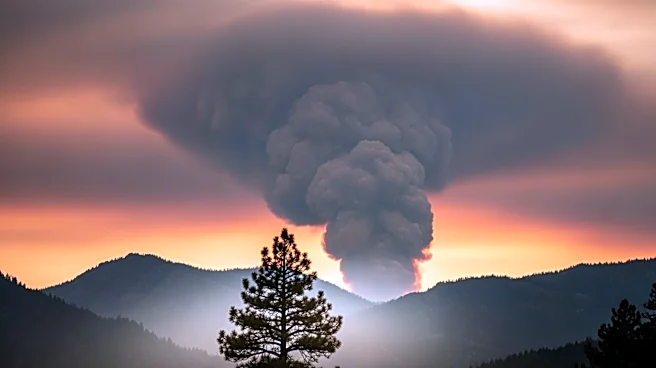
Homeowners claims dropped to 5.3 million, a 19% decrease from 2024. Personal auto claims also fell, continuing a three-year trend of declining volumes. Despite the overall decrease, certain risks, such as smoke damage from wildfires and claims related to gig workers and e-bikes, are on the rise.
Why It's Important?
The reduction in claims volume suggests a temporary reprieve for insurers from the financial pressures of high claim payouts. However, the emergence of new risks, such as those associated with climate change and technological advancements, indicates that insurers must adapt to a changing risk landscape. The rise in claims related to gig workers and e-bikes highlights the need for updated insurance policies and risk management strategies. Additionally, the ongoing threat of natural disasters, like wildfires, underscores the importance of developing comprehensive frameworks for handling such claims.
What's Next?
As insurers navigate these evolving risks, they may need to invest in advanced analytics and risk assessment tools to better predict and manage future claims. Legislative efforts, such as the proposed bill in California to address wildfire smoke damage claims, could lead to new regulatory requirements for insurers. The industry may also see increased collaboration with policymakers to develop strategies that mitigate the impact of emerging risks and ensure adequate coverage for policyholders.