

What's Happening?
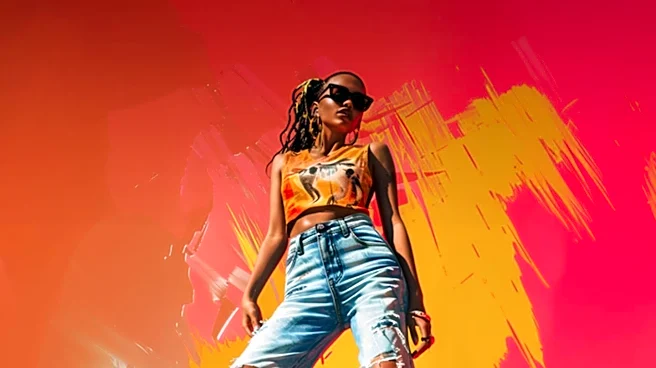
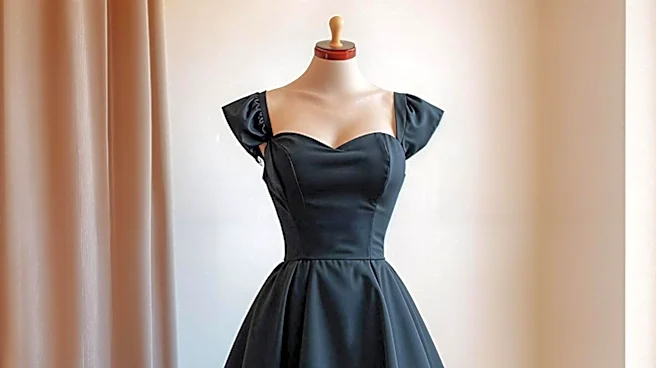
Zoë Kravitz's fashion choices are emblematic of the Y2K revival, characterized by a strong influence from 90s fashion trends. Her style is a blend of menswear-inspired pieces and bold, provocative outfits, often featuring slinky slips and revealing cutouts.
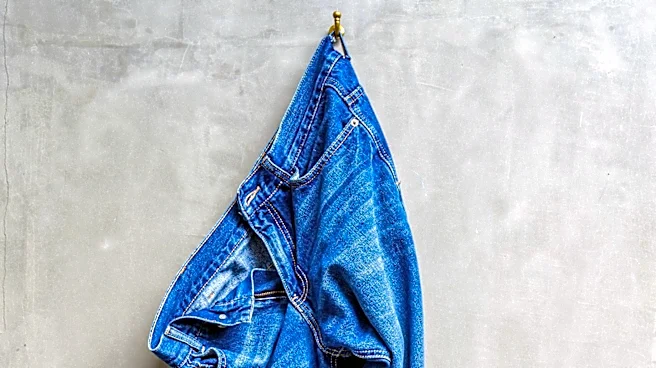
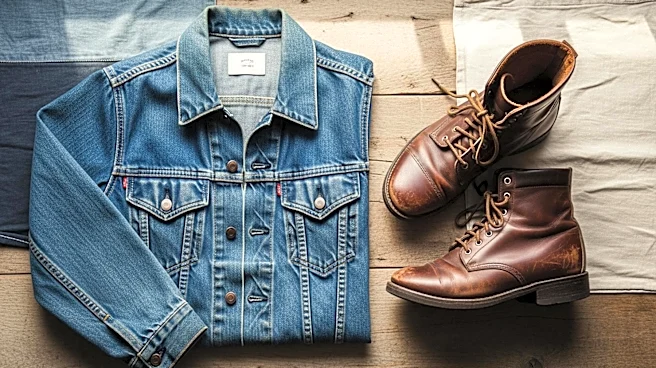
Kravitz's wardrobe is a nostalgic nod to the 90s, incorporating elements like grungy flannels and threadbare tank tops. This resurgence of 90s fashion is not only seen in Kravitz's personal style but also in high-fashion brands and celebrity wardrobes, as highlighted by Vogue. The trend is further evidenced by the popularity of items such as cigarette jeans, pencil skirts, and camisoles, which are making a comeback in both high fashion and mainstream retail.
Why It's Important?
The revival of Y2K and 90s fashion trends signifies a broader cultural shift towards nostalgia and retro aesthetics. This trend impacts the fashion industry by influencing design choices and consumer preferences, leading to increased demand for vintage-inspired clothing. Retailers and designers are capitalizing on this trend by reintroducing classic 90s styles, which appeals to both older generations who experienced the era firsthand and younger consumers drawn to its retro appeal. The resurgence also reflects a cyclical nature in fashion, where past trends are continually reimagined and reintroduced, affecting market dynamics and consumer behavior.
What's Next?
As the Y2K revival continues to gain momentum, fashion brands are likely to expand their offerings of 90s-inspired collections. This trend may also influence other areas of culture, such as music and media, where retro themes could become more prevalent. Fashion influencers and celebrities will play a crucial role in sustaining this trend by showcasing these styles in public appearances and social media. Retailers might also explore collaborations with designers known for their 90s work, further embedding this nostalgic trend into contemporary fashion.
Beyond the Headlines
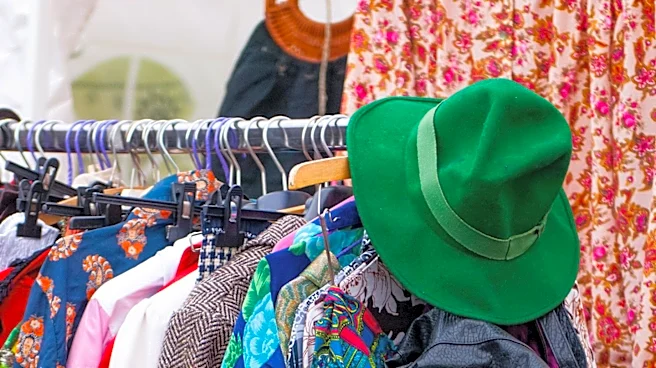
The Y2K revival raises questions about the sustainability of fashion trends and the industry's reliance on nostalgia. As consumers increasingly seek unique and vintage pieces, there may be a shift towards more sustainable fashion practices, such as upcycling and thrifting. This trend also highlights the cultural impact of fashion, as it reflects societal desires to revisit and reinterpret past eras. The ongoing popularity of 90s fashion could lead to a reevaluation of the decade's cultural contributions and its lasting influence on modern style.