





What's Happening?
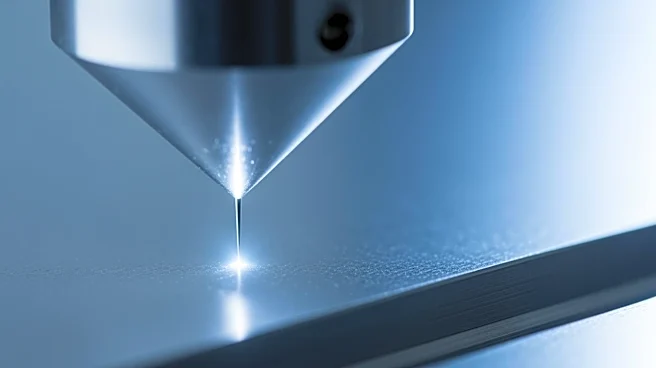
Farsoon Technologies, based in Changsha, China, has introduced its Fine Laser Spot metal Additive Manufacturing (AM) technology at the Rapid + TCT 2026 event in Boston. This technology is designed to produce high-performance parts with improved production
efficiency and reduced post-processing. It supports materials like titanium and copper alloys, achieving dimensional accuracy down to 0.03 mm and material density up to 99.99%. The technology is built on Farsoon's Laser Beam Powder Bed Fusion (PBF-LB) and enables the production of components with minimal finishing requirements. It supports ultra-thin wall structures and delivers low surface roughness, ensuring mechanical properties comparable to traditional manufacturing. The system is aimed at stable, scalable production, reducing process complexity and manufacturing costs, particularly for complex designs.
Why It's Important?
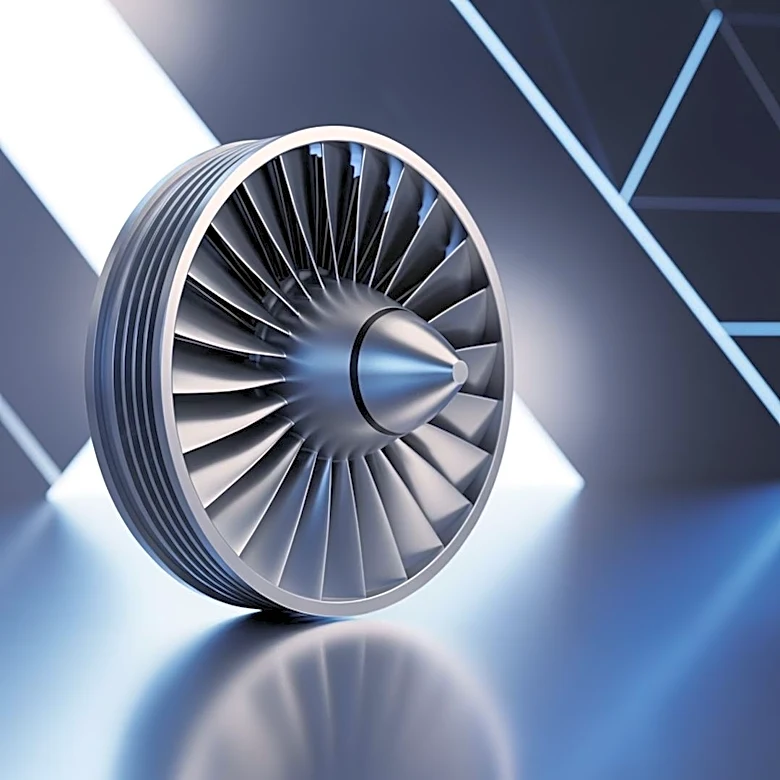
The introduction of Farsoon's Fine Laser Spot technology represents a significant advancement in the field of additive manufacturing, particularly for industries requiring high precision and efficiency. By enabling the production of complex parts with minimal post-processing, this technology can significantly reduce manufacturing costs and time. This is particularly beneficial for industries such as aerospace, automotive, and electronics, where precision and efficiency are critical. The ability to produce high-density parts with complex geometries could lead to innovations in product design and functionality, offering competitive advantages to manufacturers who adopt this technology.
What's Next?
Farsoon's participation in the Rapid + TCT 2026 event suggests a strategic move to showcase its technology to a broader audience, potentially leading to new partnerships and collaborations. As manufacturers seek to transition from prototyping to serial production, Farsoon's technology could play a pivotal role in this shift. The company may continue to refine its technology and expand its market presence, focusing on industries that demand high-performance and precision components. The adoption of this technology could also prompt competitors to innovate and improve their own additive manufacturing solutions.